Rug Cleaning in Everyday Spaces: Practical Methods, Care Tips, and Long-Lasting Results
Rugs do more than cover a floor. They add warmth, define spaces, soften footsteps, and bring personality into a room. But over time, even the most beautiful rug can collect dust, spills, pet hair, odors, and deep-set grime. That is why rug cleaning matters for both appearance and hygiene. Whether you own a delicate handwoven piece, a busy hallway runner, or a large area rug in a family living room, knowing how to care for it properly can extend its life and improve the comfort of your home.
Many people underestimate how much debris settles into rug fibers. Surface vacuuming helps, but it does not always remove allergens, embedded dirt, or residues from food and drinks. Effective rug cleaning combines routine maintenance, stain treatment, fiber-specific care, and the right drying process. When done correctly, it protects the rug’s texture, color, and structure while reducing wear.
In this article, we will explore the essentials of rug cleaning, from the best everyday habits to deeper care methods for different materials. You will also learn how to prevent common cleaning mistakes, identify when a rug needs professional attention, and keep your floors looking polished and inviting year-round.
Why Rug Cleaning Matters for Homes and Businesses

Rug cleaning is important for more than visual appeal. Rugs often act like filters, trapping dust, pollen, pet dander, soil, and tiny particles that would otherwise circulate through a room. Over time, this buildup can affect indoor air quality and make a space feel less fresh. Regular cleaning helps reduce these issues and keeps your environment more comfortable.
For homes with children or pets, rug maintenance becomes even more valuable. Spills, crumbs, muddy shoes, and accidents can quickly become permanent stains if not handled properly. Routine rug cleaning helps preserve the rug’s fibers and prevents odors from settling in. It also supports a healthier space for daily living.
Businesses benefit as well. In offices, reception areas, hotels, and retail settings, rugs contribute to the first impression visitors receive. A clean rug communicates care, professionalism, and attention to detail. That is why regular rug cleaning is often part of a broader property maintenance plan.
Understanding Different Rug Materials
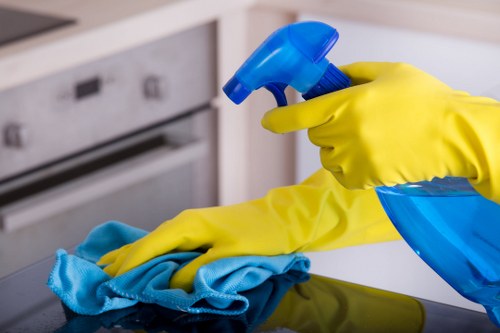
Not all rugs respond to cleaning in the same way. The fibers, dyes, weave, and backing all influence how a rug should be treated. Before beginning any rug cleaning routine, it helps to identify the material. Common rug types include wool, cotton, silk, synthetic blends, jute, sisal, and viscose.
Wool rugs are durable and naturally resilient, but they can shrink or felt if over-wet or scrubbed too aggressively. Silk rugs are delicate and often require specialized care. Cotton rugs may handle gentle washing better, while synthetic rugs can often tolerate more frequent cleaning. Natural fiber rugs such as jute or sisal need minimal moisture because excess water can damage their structure.
Understanding these differences is essential. A one-size-fits-all approach to rug cleaning can lead to fading, warping, color bleeding, or fiber damage. If you are unsure about the material, check the care label if available, or test a small hidden area before applying any cleaning solution.
Common Rug Types and Their Care Needs
- Wool: gentle cleaning, low moisture, careful drying
- Silk: professional handling recommended, minimal agitation
- Cotton: washable in some cases, but check construction first
- Synthetic: often easier to clean, but still requires proper drying
- Jute and sisal: dry methods preferred, avoid soaking
Routine Rug Cleaning Habits That Make a Big Difference

Good rug care begins with simple habits. The most effective rug cleaning routine does not rely only on deep cleaning sessions; it depends on consistent maintenance. Vacuuming is one of the best ways to prevent dirt from settling into fibers. For high-traffic areas, vacuum at least once or twice a week. For lower-traffic areas, once every one to two weeks may be enough.
Use the correct vacuum setting for the rug’s pile height. A beater bar may work on some durable rugs, but it can be too harsh for fragile or looped textures. If possible, vacuum both sides of the rug periodically to dislodge dust trapped underneath. This simple practice supports cleaner fibers and helps maintain the rug’s overall shape.
Rotation is another overlooked part of rug cleaning. Turning a rug every few months helps distribute wear evenly and reduces fading from sunlight. In addition, using rug pads can limit friction, improve airflow, and protect the underside from dirt accumulation. These small steps work together to preserve both the look and lifespan of the rug.
Simple Maintenance Checklist
- Vacuum regularly without pulling at fibers
- Shake out smaller rugs when appropriate
- Blot spills immediately instead of rubbing
- Rotate rugs to manage wear and fading
- Use a quality rug pad for support and protection
How to Handle Spills and Stains the Right Way
Stain removal is one of the most stressful parts of rug cleaning, but quick action can save a rug from permanent damage. The first rule is to blot, not rub. Rubbing spreads the spill, pushes it deeper into the fibers, and may distort the pile. Instead, use a clean white cloth or paper towel to gently absorb as much liquid as possible.
After blotting, choose a cleaning solution that matches the stain type and rug material. Mild dish soap mixed with water may work for some synthetic rugs, while wool and delicate fibers require a more cautious approach. Always test any solution in an inconspicuous area first. This is especially important for rugs with natural dyes or handmade construction.
Different stains call for different strategies. Food and beverage spills may respond to gentle soap and water, while oily stains may need a small amount of absorbent powder before cleaning. Pet accidents often require odor-neutralizing treatment in addition to stain removal. The earlier you begin, the better your chances of successful rug cleaning without discoloration.
Common Mistakes to Avoid
- Using too much water
- Scrubbing aggressively
- Applying bleach or harsh chemicals
- Skipping spot tests
- Leaving moisture trapped in the rug
Deep Rug Cleaning Methods for Better Results

While routine upkeep is important, most rugs benefit from periodic deep rug cleaning. This process helps remove embedded dirt, refresh fibers, and address stains that vacuuming alone cannot reach. The best method depends on the rug type, its age, and the level of soiling.
One common approach is low-moisture cleaning, which uses controlled amounts of water and solution to minimize drying time and reduce the risk of fiber damage. Another method involves dry compound cleaning, where absorbent materials are worked into the rug and then removed along with loosened dirt. These techniques are often useful for delicate rugs that should not be saturated.
Steam cleaning can be effective for some synthetic rugs, but it should never be applied blindly. Excess heat and moisture can damage adhesives, cause dye bleeding, or distort natural fibers. For this reason, rug cleaning should always begin with an understanding of the material and the cleaning method’s impact on it.
When Deep Cleaning Is Usually Needed
- Visible dullness or flat-looking fibers
- Persistent odors
- High traffic and heavy use
- Frequent spills or pet exposure
- Allergy concerns or seasonal dust buildup
Many homeowners choose to deep clean rugs once or twice a year, though households with pets, children, or heavy foot traffic may need more frequent attention. The right schedule depends on use, not just appearance.
Rug Cleaning for Specific Problem Areas
Every rug has trouble spots. Hallway runners gather soil quickly because they experience constant foot traffic. Dining room rugs often face food and drink spills. Living room rugs may collect crumbs, oils, and pet hair. Identifying the area’s pattern of use helps you plan rug cleaning more efficiently.
In entryways, grit and moisture are the biggest threats. Frequent vacuuming and quick debris removal are essential. In family rooms, you may need to focus on pet dander and body oils. Under furniture, dust and compression marks can make a rug appear tired even when the rest of it looks clean. Moving furniture slightly and rotating the rug can improve balance and support better care.
For homes with pets, deodorizing is often part of the process. Pet hair should be removed with a vacuum designed for embedded fibers, and accidents must be treated immediately to prevent lingering smells. Effective rug cleaning for pet-friendly homes usually includes an enzymatic treatment or a fiber-safe odor neutralizer.
Practical Zone-by-Zone Tips
- Entryways: shake out dirt and vacuum more often
- Dining areas: blot spills immediately and inspect for residue
- Living rooms: clean under cushions and furniture edges
- Bedrooms: focus on dust and routine refreshing
- Pet areas: use odor control and prompt spot treatment
Professional Rug Cleaning vs. DIY Care
Many people handle basic maintenance at home, but professional rug cleaning can be valuable when a rug is heavily soiled, fragile, antique, or expensive. Professionals typically have access to specialized equipment, fiber-safe treatments, and controlled drying environments. These advantages reduce the risk of damage while improving the quality of the result.
DIY methods are ideal for routine upkeep, fresh spills, and small stains. They are cost-effective and convenient when used correctly. However, a home method may not be enough for deep-set dirt, stubborn odor, or sensitive materials. If a rug has sentimental value or is made from a high-end natural fiber, professional attention may be the safest choice.
A smart approach often combines both methods. Use at-home rug cleaning for maintenance, then schedule professional care when the rug needs a deeper refresh. This balanced strategy helps protect the investment while keeping the rug in excellent condition.
Signs You May Need Professional Help
- Persistent stains that do not respond to spot treatment
- Odors that remain after cleaning
- Color bleeding or dye instability
- Delicate construction or antique value
- Heavy soil buildup in thick or dense piles
How Drying Affects Rug Cleaning Success
Drying is just as important as washing. If a rug stays damp too long, it can develop odors, mildew, or structural damage. Proper airflow and careful placement make a major difference in the final outcome of rug cleaning. After any wet treatment, use fans or open windows if weather permits to encourage even drying.
Avoid placing a rug directly on a wet floor or folding it while damp. If possible, elevate it slightly so air can circulate around both sides. For thicker rugs, drying may take longer than expected, so patience matters. A rug that feels dry on top may still hold moisture deeper in the pile or backing.
This is another reason why controlled moisture is so important. The best rug cleaning methods clean effectively without creating a long recovery time. Proper drying protects the fibers, helps prevent odor, and preserves the rug’s structure.
What to Do After Cleaning
- Check for remaining moisture at the base of the fibers
- Keep traffic off the rug until fully dry
- Inspect for spots that may need a second light treatment
- Brush the pile gently if the material allows it
- Return furniture only after the rug is completely dry
Seasonal Rug Cleaning and Long-Term Care
Seasonal changes can affect how often you need rug cleaning. In wet or snowy months, outdoor dirt and moisture are tracked indoors more easily. In warmer seasons, open windows may bring in dust and pollen. Adapting your care routine throughout the year can help keep rugs cleaner with less effort.
Spring is a common time for deeper refreshing because many households already focus on decluttering and resetting the home. Summer may require more attention to foot traffic and humidity. In autumn, rugs may gather leaves, debris, and mud near entrances. Winter often means more salt, slush, and moisture near the door. By adjusting your rug cleaning approach to the season, you can manage buildup before it becomes a bigger issue.
Long-term care also includes storing rugs properly when they are not in use. Clean the rug first, ensure it is fully dry, then roll it rather than fold it. Store it in a breathable covering and keep it in a dry place. This preserves the material and makes future rug cleaning much easier.
Choosing Safe Cleaning Products
Product selection plays a major role in successful rug cleaning. Harsh chemicals can strip dyes, weaken fibers, or leave residues that attract more dirt. A safer choice is often a pH-balanced cleaner designed for the rug’s specific material. When in doubt, mild soap and water are better than aggressive solutions.
Look for products that are clearly labeled for carpet or rug use, but still verify whether they are safe for wool, silk, or natural fibers. Some cleaners leave behind a sticky residue if not rinsed properly, which can make the rug attract soil faster. A good cleaner should remove dirt without creating a new problem.
Eco-friendly rug cleaning products are increasingly popular because they reduce harsh chemical exposure and can be gentler on indoor environments. Still, “natural” does not always mean safe for every fiber. The key is compatibility, not just branding.
Product Selection Tips
- Choose fiber-appropriate formulas
- Avoid bleach and strong solvents unless directed by a professional
- Use minimal product to reduce residue
- Test in a hidden area first
- Rinse or blot thoroughly after treatment
Building a Rug Cleaning Routine That Works
The best rug cleaning routine is realistic, consistent, and suited to how the rug is used. Start by assessing the material, location, traffic level, and any problem spots. Then build a schedule that includes vacuuming, spot treatment, rotation, and periodic deep cleaning. A practical plan prevents overwhelm and keeps maintenance manageable.
For many households, a simple rhythm works well: vacuum weekly, address spills immediately, rotate every few months, and deep clean seasonally or as needed. High-use spaces may require more frequent care. The goal is to stay ahead of dirt rather than letting it build up to the point where a major restoration is required.
When rug cleaning becomes part of regular home care, the results are easy to see. Colors stay brighter, fibers remain softer, and the room feels cleaner overall. It also protects your investment, especially if the rug is handmade, imported, antique, or custom-sized.
Final Thoughts on Rug Cleaning
Rug cleaning is one of the simplest ways to protect the beauty, comfort, and longevity of your floor coverings. With the right habits, you can prevent dirt buildup, reduce odors, and keep rugs looking their best. The key is using the right method for the right material and acting quickly when spills happen.
Whether you prefer to handle routine care yourself or rely on professional services for deeper cleaning, consistency makes the biggest difference. A clean rug supports a cleaner home, a more welcoming atmosphere, and better long-term value. If your rug needs attention now, book your service now and give it the care it deserves. For ongoing upkeep, contact us today to keep your rug cleaning routine on track and your space looking fresh.