Communal Area Cleaning for Safer, Healthier, and More Welcoming Shared Spaces
Why Communal Area Cleaning Matters in Modern Buildings
Communal area cleaning plays a major role in the daily comfort, safety, and appearance of shared properties. From apartment blocks and office complexes to schools, residential developments, and mixed-use buildings, the spaces everyone uses have a direct impact on how a property feels and functions. A clean lobby, polished hallway, fresh-smelling lift, and tidy stairwell do more than look nice—they create confidence, improve hygiene, and support the overall value of the building.
When communal area cleaning is performed consistently, it helps reduce the spread of dirt, dust, and germs in high-traffic environments. These shared zones are touched and used by many people every day, which means they can accumulate contaminants quickly. Regular cleaning is not just about visual appeal; it is also a practical step toward maintaining a healthier environment for residents, tenants, visitors, and staff.
Another important benefit of communal area cleaning is the sense of order it brings to a property. People naturally notice the condition of shared spaces the moment they walk in. Clean floors, sanitized touchpoints, and clear walkways send a strong message that the building is managed responsibly. That first impression matters, especially in places where people live, work, or interact on a daily basis.
What Communal Area Cleaning Includes
Communal area cleaning covers a wide range of shared spaces and services. The exact cleaning plan will vary depending on the property type, foot traffic, and layout, but most routines focus on the most frequently used and most visible areas. In practical terms, this often includes entrances, corridors, staircases, lifts, reception areas, shared kitchens, washrooms, mail rooms, and external access points.
Communal area cleaning services often involve sweeping, vacuuming, mopping, dusting, sanitizing high-touch surfaces, removing litter, and ensuring that communal fixtures are kept tidy. Where needed, cleaners may also polish glass panels, clean skirting boards, wipe handrails, and remove cobwebs or stains from less obvious corners. The goal is to maintain a clean and presentable environment throughout the property.
In some buildings, communal area cleaning may also include waste management, periodic deep cleaning, and the upkeep of flooring materials such as carpet, tile, vinyl, or stone. This wider approach ensures that the space is not only visibly clean but also properly maintained over time. A consistent routine helps prevent buildup and reduces the need for costly restoration later.
Key Areas That Need Regular Attention
Different shared spaces require different cleaning priorities. For example, entrances tend to gather mud, water, and debris from outdoor foot traffic, while stairwells may collect dust along edges, corners, and handrails. Lift interiors and button panels are high-touch areas that can become unsanitary quickly without regular disinfection. Hallways and corridors also need attention because they connect multiple units and are used throughout the day.
Common communal area cleaning tasks include:
- Vacuuming carpets and runners
- Mopping hard floors
- Cleaning glass doors and mirrors
- Sanitizing elevator buttons and switches
- Wiping handrails and bannisters
- Dusting ledges, frames, and light fixtures
- Emptying waste bins and replacing liners
- Removing marks from walls and doors
These tasks may look simple, but when done consistently they create a noticeable improvement in the appearance and hygiene of the whole property. A well-maintained communal environment also helps reduce complaints and makes the building more pleasant for everyone who uses it.
Health and Hygiene Benefits of Communal Area Cleaning
One of the strongest reasons to invest in communal area cleaning is hygiene. Shared spaces can easily become a breeding ground for germs if they are not cleaned properly. Door handles, railings, lift buttons, and shared tables are frequently touched surfaces, which makes them important targets for regular sanitization. By focusing on these surfaces, cleaning teams help lower the risk of cross-contamination and support a healthier environment.
Good communal area cleaning is especially important in buildings with children, older adults, or individuals who may be more vulnerable to illness. In these settings, routine cleaning can make a meaningful difference to everyday wellbeing. It also supports public health expectations in busy properties where many people pass through the same spaces all day.
Dust control is another major benefit. Dust can trigger allergies and breathing discomfort, particularly in enclosed hallways and stairwells with poor airflow. Thorough communal area cleaning removes dust before it accumulates, helping create cleaner air and a more comfortable atmosphere. That matters not only for health, but also for general satisfaction and peace of mind.
How Hygiene Affects Daily Use
When communal areas are clean, people are more likely to use them respectfully and keep them tidy. A fresh environment encourages better behavior and reduces the chance of littering, staining, or neglect. This has a positive ripple effect: once a building looks cared for, residents and visitors often treat it with more care too.
First Impressions and Property Value
Shared areas are often the first thing people notice when entering a building, which makes communal area cleaning a key factor in perception. A spotless lobby and tidy corridor can make an ordinary property feel premium and well managed. On the other hand, dirty floors, smudged surfaces, and overflowing bins can leave a negative impression very quickly.
This matters for landlords, property managers, and building owners because presentation influences reputation. A building that is visibly clean signals reliability and attention to detail. It tells residents and visitors that maintenance is taken seriously, and that shared comfort is a priority. This can be especially valuable in competitive rental or commercial markets where appearance affects demand.
Clean communal spaces may also contribute to property value over time. When a building is maintained well, it is less likely to suffer from avoidable wear and tear. Floors last longer, fixtures stay in better condition, and complaints about cleanliness are reduced. That makes communal area cleaning both a practical service and a smart long-term investment.
Presentation That Supports Retention
In residential properties, tenants are more likely to remain satisfied when the communal environment feels cared for. In commercial buildings, clients and staff often interpret clean shared spaces as a sign of professionalism. Either way, the condition of communal areas influences how people feel about the property as a whole.
Creating an Effective Communal Area Cleaning Schedule
An effective cleaning schedule is at the heart of successful communal area cleaning. Rather than cleaning only when a space looks dirty, the best results come from planned, routine maintenance. A schedule should be based on how many people use the building, what type of surfaces are present, and which areas experience the most wear.
Busy properties may need daily cleaning, while smaller buildings might only require visits several times a week. High-touch areas usually need attention more often than lower-traffic zones. The right schedule balances consistency, budget, and property needs without letting standards slip.
When planning a schedule, it helps to break tasks into daily, weekly, and periodic duties.
- Daily: sweep and mop floors, sanitize touchpoints, empty bins, and check entrances
- Weekly: deep dusting, cleaning glass, detail work on corners and edges, and polishing fixtures
- Monthly or periodic: deep cleaning carpets, machine scrubbing floors, washing walls, and tackling hard-to-reach areas
This structured approach improves consistency and makes communal area cleaning easier to manage. It also ensures that small issues are addressed before they become larger problems.
Customizing the Schedule by Property Type
Different buildings need different levels of service. An apartment block with a high resident turnover will likely need more frequent cleaning than a quiet office building with limited access. A school or healthcare-related property may need stricter hygiene protocols and a stronger focus on sanitization. That is why flexible planning is essential in communal area cleaning.
For example, an office reception may need daily floor care and multiple touchpoint cleans, while a residential stairwell may need a combination of sweeping, dusting, and bin removal. External shared areas, such as entrances and walkways, may require extra attention during wet or muddy weather. The aim is to respond to actual usage rather than applying a one-size-fits-all model.
Well-designed communal area cleaning plans are adaptable, practical, and easy to review. They should evolve as the property changes, occupancy increases, or cleaning priorities shift.
Essential Tools, Products, and Techniques
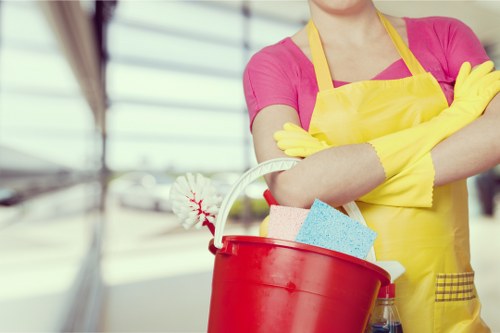
The right equipment makes a big difference in the quality of communal area cleaning. Professional cleaners rely on tools that help them work efficiently while delivering strong results. These may include vacuum cleaners, microfiber cloths, mops, safety signs, scrubbers, disinfectants, glass cleaners, and waste collection equipment. In larger buildings, specialized machines may be used for polishing, carpet care, or deep floor cleaning.
Microfiber materials are especially useful because they trap dust and debris more effectively than ordinary cloths. They also help reduce streaking on glass and polished surfaces. Pairing the right cloths with the right products makes cleaning faster, safer, and more effective. Choosing quality cleaning solutions is equally important, especially for shared spaces where hygiene standards matter.
Techniques also play an important role. Cleaning should move from cleaner areas to dirtier areas and from high surfaces to low ones to avoid spreading debris. High-touch zones should be cleaned carefully, and floors should be left dry enough to prevent slips. Professional communal area cleaning is both methodical and detail-oriented, with a focus on consistency and safety.
Safety Considerations in Communal Area Cleaning
Safety should never be an afterthought in communal area cleaning. Shared properties include foot traffic, different flooring materials, stairs, glass surfaces, and sometimes vulnerable occupants. That means cleaners need to work carefully and use practices that protect residents, staff, and visitors as well as themselves.
Slip prevention is one of the most important safety factors. Wet floors should be signposted clearly, especially in entrance areas and corridors where people may not expect them. Cleaning should also be timed carefully to reduce disruption and avoid creating hazards during peak movement periods. Good communication helps people move safely through the building while cleaning is underway.
Safe product use is another key consideration. Cleaning solutions should be stored properly, diluted correctly if required, and used according to the instructions for each surface. This helps prevent damage, irritation, and unnecessary exposure to chemicals. A safe and professional approach builds trust and keeps communal area cleaning effective without creating new risks.
Protecting Residents and Visitors
Where children, elderly residents, or people with sensitivities are present, low-odor and surface-appropriate products may be preferred. Ventilation is also important whenever chemicals are being used. The cleaner the process, the more comfortable and secure the shared environment becomes.
Common Challenges in Shared Space Maintenance
Maintaining shared areas is not always straightforward. One common challenge is heavy foot traffic, which can quickly undo cleaning work and create persistent dirt patterns. Another challenge is inconsistent use, where different people treat shared spaces differently. Some may leave litter, bring in mud, or place items in corridors, making communal area cleaning more demanding.
Seasonal weather can also create difficulties. Rain, snow, and wind often increase the amount of grime tracked into entrances and stairwells. During colder months, salt and moisture can stain floors or damage surfaces if they are not cleaned quickly. This means cleaning routines often need to be adjusted to match the time of year and the building’s exposure to the elements.
Budget constraints can be another issue, especially in larger residential complexes or commercial estates. Even so, reducing cleaning too much usually leads to greater costs later. Poor maintenance can result in damage, complaints, and more intensive restoration work. It is usually better to maintain a steady, realistic cleaning plan than to wait until problems become severe.
- High traffic and constant use
- Weather-related dirt and debris
- Shared responsibility among many users
- Hard-to-reach corners and hidden buildup
- Balancing quality with cost control
Benefits for Residents, Tenants, and Visitors
When communal spaces are cleaned properly, everyone benefits. Residents feel more comfortable coming home to a tidy building. Tenants in office or mixed-use properties notice a more professional environment. Visitors get a better impression and are more likely to feel welcome. In each case, communal area cleaning supports positive day-to-day experiences.
There is also a psychological benefit to clean shared spaces. People tend to feel calmer and more organized when their environment is fresh and uncluttered. This is especially true in entrance halls, corridors, and other transitional spaces that set the tone for the rest of the building. A clean shared area can subtly improve mood and reduce frustration.
For building managers, this means fewer complaints, better cooperation from occupants, and a smoother overall experience. Clean communal areas help create a sense of shared pride and responsibility, which can make it easier to maintain standards over time.
Supporting a Positive Building Culture
Well-kept spaces often encourage people to respect common rules, dispose of waste properly, and avoid unnecessary mess. Over time, this creates a healthier building culture where cleanliness becomes a shared norm rather than a constant problem.
How to Choose the Right Cleaning Provider
Selecting the right provider for communal area cleaning can make a major difference in the results you get. The best cleaning partner will understand how shared properties work and will offer a plan suited to the building’s size, traffic, and priorities. They should also be reliable, consistent, and detail-focused.
It helps to look for providers who offer flexible schedules, trained staff, clear task lists, and a strong understanding of health and safety. Experience in residential blocks, commercial buildings, or mixed-use spaces is often a strong advantage. The provider should also be able to adapt the service as needs change.
When reviewing options, consider the following:
- Range of services offered
- Quality of training and supervision
- Ability to handle high-touch sanitization
- Use of safe, suitable products
- Flexibility for daily or periodic work
- Consistency in communication and planning
Choosing the right team helps ensure that communal area cleaning is not just performed, but performed well. That difference becomes visible in the cleanliness, safety, and overall condition of the property.
The Long-Term Value of Professional Communal Area Cleaning
Over time, consistent communal area cleaning protects surfaces, preserves finishes, and prevents avoidable wear. Regular attention helps stop dirt from embedding in carpets, staining walls, and damaging flooring. It also reduces the buildup of grime that can make future cleaning harder and more expensive.
Professional cleaning services bring structure and accountability to this process. Instead of relying on occasional effort or inconsistent upkeep, a property benefits from a dependable system. That system supports hygiene, presentation, and maintenance all at once. It is one of the most practical ways to keep shared spaces working well for the long term.
If you manage a shared property, now is the time to prioritize standards that people notice every day. Clean entrances, fresh corridors, and sanitized touchpoints make a difference to everyone who uses the building. Book your service now or contact us today to improve the condition of your communal spaces and create an environment that feels well cared for.
In shared buildings, cleanliness is not optional—it is part of the experience. Investing in consistent communal area cleaning helps protect health, support safety, and strengthen the reputation of the property as a whole.