Deep Cleaning in Homes and Workspaces: What It Involves, Why It Matters, and How to Do It Right
Understanding Deep Cleaning in Everyday Spaces
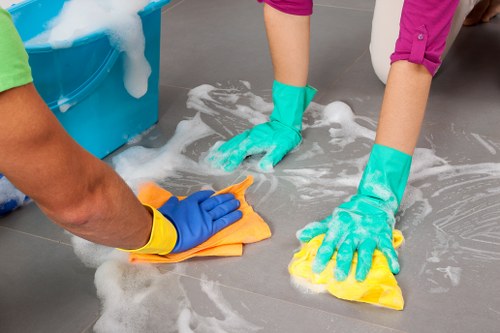
Deep cleaning is more than a quick tidy-up or a routine surface wipe. It is a focused process that reaches hidden dirt, built-up grime, and neglected areas that regular cleaning often misses. Whether you are caring for a family home, a busy apartment, or an office environment, deep cleaning in any space helps create a healthier, fresher, and more comfortable place to live or work.
Many people think a home looks clean when counters are clear and floors are swept, but true cleanliness goes deeper. Deep cleaning targets corners, fixtures, vents, appliances, baseboards, and other areas where dust and bacteria collect over time. This is one reason why deep cleaning in homes and businesses has become such an important part of property care, seasonal upkeep, and move-in or move-out preparation.
Beyond appearance, deep cleaning supports hygiene, preserves surfaces, and can even improve air quality. Regular deep cleaning also helps prevent long-term damage caused by grease, mold, soap scum, dust, and embedded debris. For many households and business owners, it is an essential step in maintaining a space that feels organized, healthy, and welcoming.
What Makes Deep Cleaning Different from Regular Cleaning?

Regular cleaning focuses on maintenance. It includes tasks like vacuuming, wiping countertops, taking out the trash, and disinfecting commonly touched surfaces. Deep cleaning in contrast goes beyond the basics and addresses the spots that are often skipped during a weekly clean. It involves scrubbing, degreasing, sanitizing, polishing, and removing buildup in places that are not easy to see.
For example, a standard kitchen clean may include wiping the stove top, but deep cleaning in the kitchen also includes removing residue behind appliances, cleaning inside the oven, scrubbing cabinet fronts, and degreasing range hoods. The same principle applies throughout the property. Bathrooms, bedrooms, living rooms, and even utility spaces benefit from more detailed attention.
The difference is depth, time, and precision. Deep cleaning usually takes longer because it is designed to reset a room rather than simply maintain it. That is why many homeowners schedule it seasonally or before major events, while businesses often rely on it during less busy periods or after high-traffic cycles.
Why Deep Cleaning in Your Space Matters
Health, comfort, and long-term maintenance
One of the strongest reasons to invest in deep cleaning in homes and commercial spaces is health. Dust, allergens, mildew, and bacteria can accumulate over time, especially in damp or frequently used areas. Deep cleaning reduces these contaminants and helps create a cleaner indoor environment for everyone inside the space.
It also improves comfort. A freshly deep-cleaned room feels lighter, brighter, and more inviting. Many people notice that deep cleaning in bedrooms leads to better rest, while deep cleaning in kitchens makes meal preparation more enjoyable. Offices and workspaces also benefit because a cleaner environment often supports focus and professionalism.
Another important benefit is long-term maintenance. When dirt and grime are left in place, they can damage finishes, stain surfaces, and shorten the life of furniture, fixtures, and appliances. Deep cleaning helps protect your investment by keeping everything in better condition for longer.
Additional benefits of routine deep cleaning
- Reduces dust buildup and allergens
- Helps remove odors trapped in fabrics and surfaces
- Improves the appearance of floors, walls, and fixtures
- Supports a healthier environment for children, pets, and staff
- Prepares properties for special occasions, inspections, or transitions
Rooms and Areas That Benefit Most from Deep Cleaning

Almost every part of a property can benefit from deep cleaning, but some areas need more attention than others. Kitchens and bathrooms are top priorities because they deal with moisture, grease, bacteria, and frequent use. In these spaces, deep cleaning in hard-to-reach areas can make a noticeable difference in sanitation and appearance.
Living rooms and bedrooms also need regular attention, especially if they contain carpets, curtains, upholstery, or heavy furniture. Dust and allergens can settle in fabrics and hidden spaces. Deep cleaning in these rooms often includes vacuuming under furniture, washing soft furnishings, and cleaning vents, ceiling fans, and baseboards.
Entryways, hallways, laundry rooms, and storage areas are also commonly overlooked. These zones collect dirt quickly because they are used often and rarely cleaned deeply. A thorough deep cleaning plan should include all these spaces so the entire property feels consistently fresh.
Examples of high-priority deep cleaning zones
- Kitchen appliances, cabinets, sinks, and backsplash areas
- Bathroom tiles, grout, toilets, tubs, and shower doors
- Carpets, rugs, upholstery, and under-furniture spaces
- Windowsills, blinds, vents, and light fixtures
- Baseboards, door frames, and high-touch switches
Essential Steps in a Proper Deep Cleaning Process
How professionals and homeowners approach the job
A successful deep cleaning process usually begins with preparation. This means decluttering surfaces, moving lightweight items, gathering supplies, and identifying problem areas. Preparation matters because it helps ensure that no important detail gets missed. Once the space is ready, the work can move room by room in a structured way.
The next step is dusting and dry debris removal. This includes ceiling fans, shelves, vents, blinds, and other surfaces where dust collects. After that, cleaners typically focus on grime and buildup using the right products for each material. Good deep cleaning in delicate areas requires choosing the correct cleaners for wood, tile, stone, glass, fabric, and metal.
The final stage usually involves sanitizing and finishing touches. Floors are mopped or vacuumed, mirrors are polished, fixtures are wiped, and the room is checked for missed spots. Attention to detail is what separates ordinary cleaning from true deep cleaning.
Common step-by-step approach
- Declutter and clear surfaces
- Dust top to bottom
- Scrub problem areas and remove buildup
- Sanitize high-touch points
- Clean floors, carpets, and upholstery
- Review and finish details
Deep Cleaning in Kitchens: Where Grease and Grime Hide
The kitchen is one of the most important spaces to deep clean because it is exposed to food residue, grease, spills, and frequent handling. Even a kitchen that looks neat can harbor buildup in drawers, under appliances, around handles, and inside the oven. Deep cleaning in the kitchen helps keep this essential space hygienic and pleasant to use.
Start with cabinets and drawers, both inside and out. Remove crumbs, sticky residue, and fingerprints. Next, focus on appliances such as the refrigerator, microwave, oven, dishwasher exterior, and range hood. Many people forget the hidden edges of the stove or the area behind the refrigerator, but these spots often collect dust and grease.
The sink, faucet, backsplash, and countertops deserve careful scrubbing as well. Over time, soap residue and stains can dull their appearance. A proper deep cleaning routine restores shine and removes odors, making the entire kitchen feel refreshed. For busy households, deep cleaning in the kitchen can make daily cooking cleaner, safer, and more efficient.
Kitchen deep cleaning checklist
- Clean inside and outside of refrigerator shelves
- Degrease the oven and stove area
- Wipe cabinet doors, handles, and hinges
- Scrub sink drains and faucet bases
- Clean behind and beneath appliances
- Wash backsplash, switches, and light fixtures
Bathrooms Need Deep Cleaning for Hygiene and Freshness
Bathrooms are another area where deep cleaning in a regular cycle is essential. Because these rooms are used daily and exposed to moisture, they can quickly develop soap scum, mildew, hard water stains, and unpleasant odors. A surface wipe is rarely enough to keep a bathroom truly clean.
Effective bathroom deep cleaning includes scrubbing tiles and grout, disinfecting toilets, cleaning behind sinks, and polishing mirrors and fixtures. Shower walls, tub edges, and glass doors often need special attention because grime and mineral deposits tend to build up in layers. Deep cleaning in bathrooms also includes removing hair and residue from drains and vents.
Bathrooms should feel sanitary and calming. A detailed cleaning routine restores that feeling and helps reduce the spread of germs. If the room is heavily used, deep cleaning may need to happen more often than in other parts of the home. Consistent care keeps the space looking polished and prevents stubborn buildup.
Bathroom cleaning priorities
- Disinfect toilets and surrounding surfaces
- Scrub tubs, shower walls, and glass panels
- Remove mildew from tile and grout
- Polish faucets, mirrors, and fixtures
- Clean floors, corners, and baseboards
- Freshen drains and ventilation areas
Living Rooms, Bedrooms, and Upholstery Care

Deep cleaning in living spaces is often underestimated because these rooms may not seem dirty at first glance. Yet fabric furniture, curtains, rugs, and carpets can trap dust, pet hair, pollen, and odors. Over time, these materials affect both the look and feel of the room. Deep cleaning restores softness, freshness, and visual appeal.
In living rooms, the process may include vacuuming under cushions, wiping coffee tables and media units, cleaning vents, and dusting hidden corners. Upholstery should be vacuumed carefully and treated with appropriate fabric-safe cleaners if needed. Rugs and carpets benefit from deep extraction or professional carpet cleaning when stains and embedded debris are present.
Bedrooms also deserve attention because they are spaces for rest and recovery. Dusting headboards, washing bedding, vacuuming under beds, and cleaning bedside furniture can make a noticeable difference. When deep cleaning in bedrooms is done regularly, many people notice a more relaxing and breathable environment.
Helpful reminders for soft surfaces
- Check care labels before treating fabrics
- Test cleaners on a hidden area first
- Vacuum upholstery slowly for better dust removal
- Rotate and clean cushions if possible
- Air out rugs, throws, and bedding when appropriate
When to Schedule Deep Cleaning in a Home or Business
There is no single rule for every property, but many people schedule deep cleaning in a home seasonally, every few months, or before major occasions. Spring and fall are especially popular times because they offer a natural reset point. Others choose to deep clean before hosting guests, after renovation work, or when moving in or out of a property.
Businesses often follow a different timeline. Offices, retail locations, and shared spaces may require deep cleaning after peak periods, before inspections, or as part of regular facility maintenance. High-traffic workplaces often need more frequent service because dirt and germs accumulate faster when many people pass through the space each day.
Pay attention to signs that it is time for a deeper clean. Stubborn odors, visible dust in corners, dull surfaces, sticky residue, and allergy flare-ups are all clues that a standard cleaning routine is no longer enough. Deep cleaning in response to these signs can restore the space quickly and effectively.
Signs your space needs deep cleaning
- Dust returns shortly after cleaning
- Floors or surfaces feel sticky or dull
- Odors linger in fabric or enclosed rooms
- Bathrooms and kitchens show buildup
- Allergies seem worse indoors
- Hidden areas have not been cleaned in months
Tools and Supplies That Support Better Results
Using the right supplies makes deep cleaning more effective and efficient. A microfiber cloth, scrub brush, vacuum with attachments, mop, and bucket are basic essentials. Depending on the area, you may also need glass cleaner, disinfectant, degreaser, carpet cleaner, and products designed for specific materials such as wood or stone.
Organization is just as important as the products themselves. Keeping supplies grouped by room or task can save time and reduce frustration. For example, a kitchen kit might include degreaser, sponges, cloths, and oven cleaner, while a bathroom kit might include grout cleaner, disinfectant, a toilet brush, and a squeegee.
Safety matters too. Always follow label instructions, use ventilation when needed, and avoid mixing cleaning chemicals. If you are unsure about a product, test it in a small hidden area first. Choosing the right tools helps ensure that deep cleaning in any room is both safe and effective.
Basic deep cleaning toolkit
- Microfiber cloths and dusters
- Vacuum with hose and attachments
- Scrub brushes and non-scratch pads
- Multi-surface cleaner and disinfectant
- Degreaser and glass cleaner
- Mop, bucket, and floor-safe solution
How to Maintain the Results After Deep Cleaning
After the hard work is done, the goal is to preserve the results for as long as possible. The easiest way to do this is by combining routine cleaning with small daily habits. Quick wipes, prompt spill cleanup, regular vacuuming, and putting items back in place all help reduce new buildup.
Maintenance routines are most effective when they are realistic. A busy family may focus on high-touch surfaces and floors during the week, then reserve deeper tasks for weekends. An office may assign daily cleaning checkpoints, with a scheduled deep cleaning session every month or quarter. The key is consistency, not perfection.
Deep cleaning in a space becomes more valuable when supported by ongoing care. By preventing dirt from accumulating again, you protect your time, keep the environment pleasant, and reduce the effort required during the next major cleaning session.
Simple maintenance habits
- Wipe counters and sinks daily
- Vacuum or sweep high-traffic areas often
- Use door mats to limit dirt entry
- Clean spills immediately
- Declutter weekly to reduce dust collection
- Refresh soft surfaces regularly
Why Professional Deep Cleaning Services Are Worth Considering
Many homeowners and business owners enjoy handling maintenance cleaning themselves, but there are times when professional deep cleaning services make more sense. Large properties, busy schedules, tough stains, and specialized surfaces can all benefit from expert attention. Professionals often bring experience, tools, and techniques that improve results while saving time.
Professional deep cleaning is especially useful before move-ins, after move-outs, following renovations, or when a space has gone too long without detailed care. It can also be a smart choice for people who want a fresh start without the stress of doing everything themselves. When a space needs intensive attention, hiring experts may be the most efficient solution.
Whether you handle the work yourself or hire help, the important thing is to keep deep cleaning in your regular routine. A clean environment is not only more attractive, it also feels better to live and work in. If your space is ready for a refresh, contact us today and book your service now to enjoy the benefits of a cleaner, healthier property.
Reasons to choose professional support
- Saves time and effort
- Helps with hard-to-reach or neglected areas
- Supports better results on stubborn buildup
- Useful for move-related or post-renovation cleaning
- Creates a polished, refreshed environment
Final Thoughts on Deep Cleaning in Modern Spaces
Deep cleaning is one of the most effective ways to protect the comfort, appearance, and hygiene of any property. It reaches beyond daily upkeep and addresses the grime, dust, and hidden buildup that can quietly affect your environment over time. From kitchens and bathrooms to living rooms, offices, and shared areas, deep cleaning in every corner makes a lasting difference.
When done regularly, it helps improve air quality, reduce allergens, extend the life of surfaces, and create a space that feels more organized and inviting. Whether you are preparing for a special event, handling seasonal upkeep, or simply wanting a fresh reset, deep cleaning delivers results that routine cleaning alone cannot match.
Make deep cleaning a priority, not an afterthought. With a solid plan, the right tools, and consistent care, you can keep your space looking and feeling its best all year long. If you are ready to take the next step, book your service now and give your property the detailed care it deserves.