Regular Cleaning in Modern Homes and Businesses: Why It Matters More Than You Think
Regular cleaning is one of the most effective ways to maintain a healthy, attractive, and functional space. Whether you manage a busy household, a retail storefront, an office environment, or a rental property, consistent cleaning helps protect surfaces, improve air quality, reduce stress, and create a better experience for everyone who enters the space. In today’s fast-paced world, regular cleaning is not just about appearance; it is about preservation, hygiene, and long-term value.
Many people think of cleaning as a task to handle only when something looks dirty, but that approach often leads to bigger problems later. Dust buildup, grime accumulation, bacteria growth, and surface wear all become more difficult and expensive to manage when routine care is delayed. That is why regular cleaning should be seen as a practical investment rather than a chore. From kitchens and bathrooms to offices and lobbies, every area benefits from consistent attention.
In this article, we will explore the real benefits of regular cleaning, how it supports health and productivity, what areas need the most attention, and how to build a routine that works. If you want a cleaner environment that stays fresh longer, regular cleaning is the foundation. Contact us today if you are ready to make cleanliness a consistent priority, and Book your service now to keep your space in excellent condition.
The Value of Regular Cleaning in Everyday Life
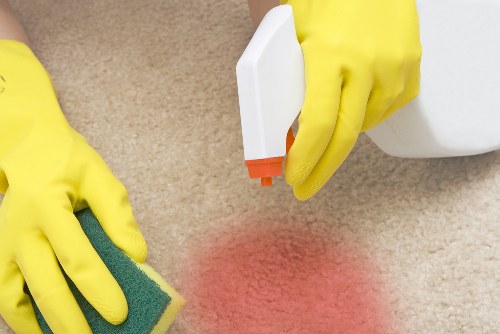
Regular cleaning plays a central role in everyday life because it affects how people feel, function, and interact with their surroundings. A clean environment creates a sense of order, making it easier to focus on work, relax at home, and welcome guests or customers. Even simple habits such as wiping counters, vacuuming floors, and dusting surfaces can dramatically improve the comfort and usability of a space.
Beyond comfort, regular cleaning helps prevent the slow buildup of dirt and pollutants. Dust mites, allergens, food residue, and moisture can accumulate quickly, especially in high-traffic areas. When cleaning happens consistently, these issues are easier to control. This is particularly important for families with children, older adults, and people with allergies or respiratory sensitivities. A cleaner space often means a healthier one.
Regular cleaning also helps people develop better routines and a stronger sense of responsibility. When a home or workplace is maintained properly, tasks feel less overwhelming because messes are addressed before they become major problems. Instead of facing a deep-cleaning project every few weeks, people can rely on smaller, manageable cleaning habits that save time and effort in the long run.
Health Benefits of Regular Cleaning

One of the strongest reasons to prioritize regular cleaning is the effect it has on health. Dust, mold, bacteria, and pet dander can all contribute to poor indoor air quality and trigger symptoms such as sneezing, coughing, headaches, and eye irritation. Keeping surfaces, floors, and fabrics clean reduces the presence of these irritants and supports a fresher indoor environment.
Regular cleaning is especially important in kitchens and bathrooms, where germs and moisture are common. Kitchen counters, sinks, cutting boards, and appliance handles can harbor bacteria if they are not cleaned routinely. Bathrooms require similar care because damp conditions can promote mildew and the spread of germs. Consistent cleaning in these areas helps protect the health of everyone who uses them.
In workplaces, regular cleaning can also reduce the spread of illness. Shared desks, meeting rooms, break areas, and restrooms are all surfaces that multiple people touch throughout the day. When these areas are cleaned consistently, the risk of contamination is lower. That means fewer sick days, better morale, and a more pleasant environment overall.
Key Health Advantages
- Reduces dust, allergens, and airborne particles
- Helps limit bacteria and virus buildup on high-touch surfaces
- Improves indoor air quality
- Supports better breathing and fewer irritations
- Creates a safer environment for children, seniors, and pets
How Regular Cleaning Protects Your Property

Regular cleaning is not only about hygiene; it is also about property care. Dirt, grease, moisture, and debris can cause surfaces to wear down over time. Floors may lose their finish, countertops can stain, and fixtures can deteriorate more quickly when they are not properly maintained. By cleaning on a routine basis, you help extend the life of the materials in your home or business.
For example, vacuuming carpets regularly prevents grit and dust from settling deep into the fibers, which can cause premature wear. Likewise, wiping down appliances and surfaces prevents buildup that can lead to discoloration or damage. Even windows benefit from regular cleaning because dirt and residue can etch glass or weaken seals if left unattended for too long.
Property owners also benefit financially from regular cleaning. When a space is cared for consistently, it often requires fewer repairs and replacements. That can mean lower maintenance costs, better long-term value, and a more appealing appearance for guests, tenants, customers, or potential buyers. Clean properties simply make a stronger impression.
Areas That Benefit Most from Routine Care
- Floors and carpets
- Kitchen appliances and countertops
- Bathroom fixtures and tiles
- Windows, doors, and trim
- Furniture and upholstery
Regular Cleaning in Homes: A Better Way to Live

In residential spaces, regular cleaning supports a calmer and more enjoyable lifestyle. A tidy home feels more welcoming, and it often encourages better habits across the household. When clutter and dirt are handled regularly, family members can move through the space more comfortably and use rooms more efficiently. It becomes easier to cook, relax, study, and spend time together.
Many homeowners struggle with the idea of cleaning because they associate it with time-consuming weekend chores. However, regular cleaning can be broken into smaller tasks that are easier to manage. For example, one day might focus on dusting and vacuuming, while another handles bathrooms and kitchen surfaces. Spreading tasks throughout the week helps prevent burnout and keeps the home consistently presentable.
There is also an emotional benefit to regular cleaning. A clean home often feels less chaotic, which can reduce stress and mental fatigue. People tend to sleep better, think more clearly, and enjoy their surroundings more when the home environment is orderly. This is one reason many households make regular cleaning part of their lifestyle rather than waiting until messes pile up.
Simple Home Cleaning Priorities
Focus on the most-used spaces first to get the greatest benefit from your routine. Common priorities include:
- Kitchen counters, sinks, and stovetops
- Bathroom surfaces, mirrors, and fixtures
- Living room floors, tables, and electronics
- Bedroom dusting and bedding care
- Entryways and high-traffic floors
Regular Cleaning in Workplaces and Commercial Spaces
In commercial settings, regular cleaning has a direct impact on productivity, customer perception, and workplace safety. Employees work better in clean, organized spaces because they can focus more easily and spend less time dealing with clutter or distractions. Clients and visitors also notice cleanliness immediately, and that first impression can influence how they view the business as a whole.
Office cleaning is especially important because shared environments tend to collect dust, fingerprints, food crumbs, and germs quickly. Desks, keyboards, phones, conference tables, and reception areas all need consistent attention. Break rooms and restrooms require even more frequent cleaning due to heavy use. When regular cleaning becomes part of a business’s routine, the entire workplace feels more professional and efficient.
Retail stores, hospitality venues, medical offices, and other public-facing businesses rely heavily on cleanliness to build trust. A spotless environment suggests care, attention to detail, and respect for the customer experience. On the other hand, neglecting regular cleaning can damage a brand’s reputation and create an unpleasant or unsafe atmosphere. For businesses, cleanliness is part of the service.
Why Businesses Should Prioritize Regular Cleaning
- Improves employee morale and productivity
- Enhances the customer experience
- Supports hygiene and safety standards
- Protects equipment, furniture, and surfaces
- Strengthens the overall image of the brand
What Makes Regular Cleaning Different from Deep Cleaning?
Regular cleaning and deep cleaning are both important, but they serve different purposes. Regular cleaning is the ongoing maintenance that keeps a space neat and sanitary from day to day or week to week. Deep cleaning goes further by addressing hidden dirt, buildup, and areas that are not cleaned as often. Both are necessary, but regular cleaning creates the foundation that makes deeper work less overwhelming.
Think of regular cleaning as preventive care. It involves tasks like sweeping, mopping, wiping surfaces, sanitizing high-touch areas, and removing trash. Deep cleaning, by contrast, may include scrubbing grout, cleaning behind appliances, washing baseboards, and treating stubborn stains. When regular cleaning is done consistently, deep cleaning becomes more manageable and less time-intensive.
This relationship matters because people often wait too long between cleaning sessions. The result is a tougher, more exhausting cleanup that could have been avoided with a simpler routine. Establishing regular cleaning habits helps maintain a baseline level of cleanliness so that occasional deep cleaning is enough to restore the space fully.
Regular Cleaning vs. Deep Cleaning
| Task Type | Purpose | Frequency |
|---|---|---|
| Regular cleaning | Maintain cleanliness and hygiene | Daily to weekly |
| Deep cleaning | Remove hidden buildup and restore surfaces | Monthly to seasonal |
Building a Regular Cleaning Routine That Works
Creating a realistic cleaning routine is one of the best ways to stay consistent. The most effective routines are not overly complicated; they are easy to follow and tailored to the size and needs of the space. A good plan accounts for daily tasks, weekly tasks, and occasional deeper maintenance, allowing cleaning to happen naturally instead of feeling like a burden.
Start by identifying the areas that get dirty fastest. In many homes and businesses, these are kitchens, bathrooms, entryways, and shared spaces. Then assign specific tasks to each day or time period. For example, daily tasks might include wiping counters and tidying common areas, while weekly tasks could involve vacuuming, dusting, and disinfecting surfaces. This approach keeps regular cleaning practical and sustainable.
It also helps to choose the right tools and products for the job. Microfiber cloths, gentle cleaners, disinfectants, vacuums, mops, and storage containers all make regular cleaning more efficient. When supplies are organized and accessible, it is easier to clean quickly and thoroughly. A well-equipped routine saves time and encourages consistency.
Tips for Staying Consistent
- Set specific cleaning days and times
- Break large jobs into smaller tasks
- Keep supplies in convenient locations
- Use checklists to stay organized
- Reassess your routine as needs change
Common Mistakes People Make with Regular Cleaning
Even with the best intentions, some people struggle to maintain regular cleaning because they rely on last-minute efforts instead of steady habits. One common mistake is focusing only on visible messes while ignoring hidden buildup. Under furniture, behind appliances, and along baseboards are all areas that can collect dirt without being noticed right away.
Another mistake is using the wrong products or tools. Harsh chemicals can damage certain surfaces, while ineffective cleaners may not remove grime properly. It is important to match the cleaning method to the material and level of dirt. Using the right approach makes regular cleaning safer and more effective over time.
A third issue is inconsistency. Many people clean thoroughly once and then let the space go for too long afterward. While occasional effort helps, it cannot replace steady upkeep. Regular cleaning works best when it becomes part of the routine, not a reaction to visible messes. That consistency is what protects health, appearance, and property value.
Signs Your Cleaning Routine Needs Improvement
If you notice these signs, it may be time to adjust your approach:
- Dust returns within a day or two
- Floors feel sticky or look dull
- Bathrooms develop odors quickly
- Clutter builds up in common areas
- Cleaning takes too long because too much is being left undone
Regular Cleaning and Seasonal Maintenance
Regular cleaning should also connect with seasonal maintenance. As the weather changes, so do cleaning needs. In spring and summer, windows may collect more pollen and outdoor dust. In fall and winter, mud, moisture, and salt can be tracked indoors more often. Adjusting your cleaning routine to match the season helps maintain a cleaner space all year long.
Seasonal changes can also reveal issues that regular cleaning helps detect early. For example, while wiping baseboards or cleaning vents, you may notice signs of moisture, pest activity, or wear on surfaces. Catching these problems early can prevent larger concerns later. This makes regular cleaning not only useful but also proactive.
Businesses can benefit from seasonal cleaning strategies as well. Retail stores may need extra attention during busy holiday periods, while offices may require more frequent cleaning during flu season. Planning ahead allows regular cleaning to support operations smoothly during periods of higher activity.
Seasonal Cleaning Priorities
- Refresh air vents and filters
- Clean windows and entryways
- Wash rugs, mats, and fabrics
- Address storage areas and hidden dust
- Increase attention to high-traffic zones
Why Professional Help Can Support Regular Cleaning
While many tasks can be handled in-house, professional cleaning support can make a major difference, especially for larger spaces or busy schedules. Trained cleaners bring efficiency, proper equipment, and an organized approach that can help maintain a higher standard of cleanliness. This is especially useful for commercial properties, rental units, and households with limited time.
Professional support does not replace daily habits, but it can strengthen them. A business or homeowner may handle routine tidying and surface care while relying on periodic professional services for deeper maintenance. This partnership keeps the property looking its best and reduces the pressure on internal staff or family members.
When choosing outside help, look for services that understand the needs of your space and can tailor cleaning to your goals. The right support should complement your regular cleaning plan, not complicate it. Consistency, communication, and reliability matter just as much as skill.
Book your service now if you want dependable support that helps preserve cleanliness, comfort, and efficiency throughout the year.
Final Thoughts on Regular Cleaning
Regular cleaning is one of the simplest and most powerful ways to improve daily life. It supports health, protects property, reduces stress, and creates a better atmosphere in every type of space. Whether you are caring for a family home, a busy office, or a customer-facing business, consistent cleaning makes a noticeable difference.
By focusing on practical routines, using the right tools, and staying consistent, you can keep spaces cleaner for longer and avoid the buildup that leads to bigger problems. Regular cleaning does not need to be complicated to be effective. What matters most is steady effort and thoughtful maintenance.
If you are ready to make regular cleaning a lasting part of your routine, now is the perfect time to start. Contact us today to take the next step toward a cleaner, healthier, and more welcoming environment.