Insurance and Safety Policy
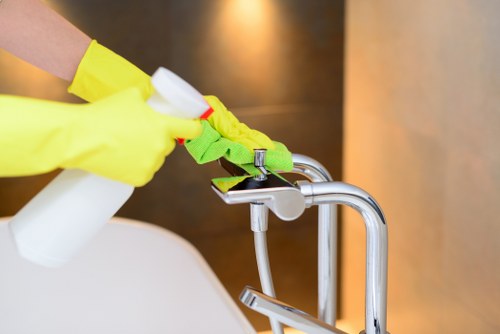 Insurance and Safety is central to how we operate and how we protect our people, clients and the public. This safety and insurance statement outlines our approach to combining robust public liability cover with practical workplace safety measures. We adopt a proactive insurance & safety stance, ensuring that each activity is supported by the right level of cover and by operational procedures that reduce risk. Our aim is to be transparent about responsibilities while reinforcing a culture where safety and liability management go hand in hand.
We maintain comprehensive public liability insurance and related policies that are subject to regular review. Cover levels are chosen to reflect the scale and nature of our work, and they include protection for accidental damage, bodily injury to third parties and legal costs arising from claims. Our insurance and safety approach ensures that premiums, limits and exclusions are monitored and matched to our operational risk profile. Where specialist activities are involved, we secure additional protection and endorsements to ensure full compliance with client and statutory expectations.

Public Liability Cover and Claims
Our public liability arrangements are designed to be clear and effective. In the event of an incident, we operate a defined claims and notification procedure that protects both the claimant and our organisation. The process includes immediate incident reporting, preservation of evidence, and prompt notification to insurers. Important: all incidents that could give rise to third-party claims are treated seriously and investigated. We maintain a claims register and work closely with insurers and legal advisors to manage settlements while safeguarding our reputation and financial stability.Staff Training, Competence and Safety Culture
Training is the backbone of our insurance and safety program. We deliver structured induction and ongoing training to ensure staff understand both public liability insurance implications and practical safety responsibilities. Training covers hazard recognition, incident reporting, safe working methods and the correct use of personal protective equipment. We measure competence through assessments and on-the-job observations, and we identify development needs in individual training plans to reduce risk and improve outcomes.
 Core training topics include:
- Hazard identification and risk control
- Emergency procedures and first aid basics
- Safe manual handling and equipment operation
- Incident reporting and insurance notification
We document training attendance, maintain training records and ensure that refresher sessions occur at planned intervals. Senior staff and supervisors receive additional instruction on risk assessment interpretation, insurance obligations and how to implement remedial controls quickly when hazards are identified.
PPE, Equipment and Workplace Protection
Personal protective equipment (PPE) is specified through a careful risk-based selection process that links directly to the risk assessment outcomes. We supply, fit and maintain PPE, ensuring each item is appropriate for the hazard and the environment. Examples include protective footwear, high-visibility clothing, eye and face protection, hearing protection and respiratory equipment where required. PPE provision is not a substitute for control measures higher up the hierarchy of risk control; it is a critical last line of defence.

PPE Standards and Compliance
PPE is inspected before use, stored correctly and replaced on a schedule based on manufacturer guidance and wear. Supervisors carry out routine checks and log inspections to ensure compliance. The enforcement of PPE rules is consistent and supported by disciplinary procedures where non-compliance creates unacceptable risk. We also provide guidance on the maintenance and correct disposal of single-use items and record inventory to support both safety audits and insurer enquiries. Risk Assessment Process and Continuous Review
Our risk assessment process is systematic and documented. It begins with hazard identification, proceeds to risk evaluation, and ends with the selection of pragmatic controls. Assessments are carried out at project start, whenever conditions change and at regular intervals. Controls are chosen according to the hierarchy of risk control: elimination, substitution, engineering controls, administrative measures and finally PPE. Each assessment records residual risk, responsible persons and review dates.
Monitoring, Documentation and Roles
We maintain a clear allocation of roles and responsibilities for safety and insurance matters. Managers ensure controls are implemented; supervisors monitor day-to-day compliance; and employees are required to follow procedures and report hazards. Documentation includes risk assessments, incident reports, training logs, PPE inventories and insurance certificates. These records support internal audit, insurer review and regulatory inspections and help demonstrate our commitment to a safe working environment.Our approach to safety and liability management emphasizes continuous improvement. We review incidents, near misses and audit findings to update risk assessments and training. Learnings are shared across teams to prevent recurrence. Where changes in regulation, technology or business activity introduce new exposures, we adjust insurance requirements and safety measures accordingly to remain compliant and resilient.
In summary, our insurance & safety program unites adequate public liability cover with practical, recorded safety measures: competent staff, suitable PPE and a rigorous risk assessment process. This integrated approach protects people, the public and our operations while supporting sustainable and responsible activity.