Office Cleaning That Supports Productivity, Health, and a Professional Image
Office cleaning is one of the most important services any business can invest in, yet it is often overlooked until dust, clutter, or unpleasant odors start affecting daily operations. A clean workplace is more than just visually appealing; it helps support employee well-being, improves client impressions, and creates a more organized environment where people can focus on meaningful work. Whether you manage a small startup, a growing team, or a large corporate space, consistent office cleaning plays a major role in how your business functions every day.
In many workplaces, cleanliness directly influences morale and performance. Employees are more likely to feel comfortable and motivated in a tidy environment, while visitors are more likely to trust a company that keeps its space polished and presentable. Office cleaning also helps reduce the spread of germs, removes allergens, and maintains the longevity of furniture, flooring, and fixtures. When businesses make professional office cleaning a priority, they are not only keeping things neat; they are investing in a better workplace culture.
From reception desks and meeting rooms to kitchens, restrooms, and shared workstations, every corner of an office benefits from proper care. The best office cleaning strategies are not one-size-fits-all. They are tailored to the layout, traffic level, and specific hygiene requirements of the workplace. In this article, we will explore why office cleaning matters, what a quality cleaning routine includes, and how a consistent plan can improve both day-to-day operations and long-term business results.
Why Office Cleaning Matters More Than Ever
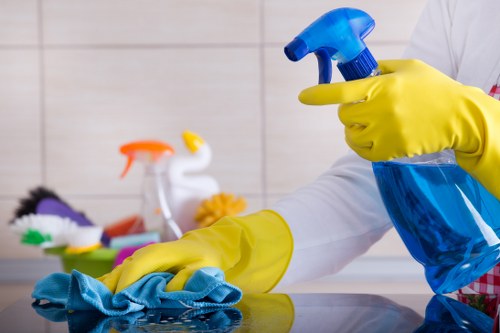
Modern businesses rely on office cleaning to maintain a healthy and productive environment. Today’s workplaces often include shared desks, meeting rooms, touchpoints, and communal areas that see constant use throughout the day. Without routine office cleaning, these spaces can quickly become sources of dust, grime, and bacteria. That creates unnecessary discomfort and may contribute to employee absences and reduced efficiency.
Another reason office cleaning matters is the impression it leaves on clients and partners. People form opinions quickly, and a spotless office signals professionalism, attention to detail, and respect for everyone who enters the space. Whether someone is visiting for a sales meeting, interview, consultation, or project discussion, a clean office helps reinforce trust and credibility. It sends the message that the business values quality in every area, including its physical environment.
Office cleaning also supports compliance and workplace standards in many industries. From healthcare-related offices to legal firms and customer service centers, different sectors may have specific cleanliness expectations. Even where formal requirements are limited, regular office cleaning helps maintain a safer, more pleasant environment. Clean offices are easier to manage, easier to organize, and easier to work in.
Key Benefits of Professional Office Cleaning
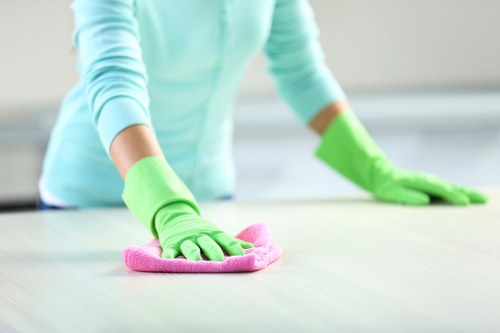
Professional office cleaning offers more than a tidy appearance. It provides a range of benefits that support everyday operations and long-term success. One of the most obvious advantages is improved hygiene. A professionally cleaned office reduces the buildup of dust, germs, and contaminants on shared surfaces. This can make a noticeable difference in how often employees experience minor illnesses, especially in busy work environments.
Another major benefit is better productivity. Employees often work more efficiently when their surroundings are organized and fresh. Clutter-free desks, clean floors, and sanitized common areas help people stay focused without the distraction of mess. Office cleaning also reduces time wasted on improvised tidying by staff, allowing employees to focus on their actual responsibilities instead of basic upkeep.
Professional office cleaning can also extend the life of assets. Carpets, chairs, windows, restrooms, and kitchen areas all require regular maintenance to remain in good condition. Dirt and debris may wear down surfaces over time, making them look older and forcing businesses to replace items sooner than necessary. With the right office cleaning routine, companies can protect their investments and maintain a more polished workplace for longer periods.
Additional advantages businesses often notice
- Better indoor air quality through dust and allergen removal
- Improved morale among employees and managers
- Fewer unpleasant odors in kitchens and restrooms
- Stronger first impressions for visitors and clients
- Greater consistency in workplace presentation
What a Thorough Office Cleaning Service Includes
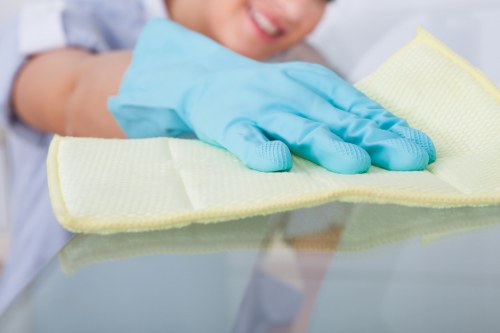
Effective office cleaning should cover all high-use and high-visibility areas, along with places that are easy to miss during routine tidying. A quality service usually begins with dusting desks, shelves, ledges, and other surfaces where particles tend to settle. It also includes vacuuming carpets, mopping hard floors, emptying bins, and wiping down shared equipment such as printers, copiers, and phones.
Restroom sanitation is another essential part of office cleaning. These spaces require careful attention because they can quickly become unsanitary if neglected. A proper routine should include disinfecting sinks, toilets, counters, handles, and other touchpoints, as well as restocking supplies when needed. Likewise, kitchens and break rooms need cleaning of sinks, microwaves, countertops, tables, and appliance exteriors to prevent buildup and odors.
Windows, glass doors, and entry areas also deserve regular attention. Clean glass improves natural light and enhances the overall appearance of the office. Reception areas, conference rooms, and waiting spaces should always look welcoming because they are often the first parts of the building that people see. When office cleaning is consistent, every part of the workplace feels more intentional and professional.
Common tasks included in office cleaning
- Dusting and wiping work surfaces
- Vacuuming and floor care
- Disinfecting high-touch points
- Cleaning restrooms and kitchens
- Trash removal and liner replacement
- Glass and mirror cleaning
- Spot cleaning walls, doors, and fixtures
How Office Cleaning Supports Health and Safety

Health and safety are two of the strongest reasons to maintain professional office cleaning. Shared workplaces allow germs to spread quickly because employees frequently touch the same surfaces throughout the day. Door handles, elevator buttons, light switches, desks, and meeting tables can all collect bacteria and viruses. Regular disinfecting helps reduce contamination and creates a healthier environment for everyone in the office.
Office cleaning also helps reduce allergens and airborne particles. Dust, pollen, and debris can accumulate in carpets, vents, and upholstery, which may aggravate allergies or respiratory issues. Thorough cleaning practices, including vacuuming with proper filtration and routine dust removal, can improve indoor air quality. That matters because a healthier workspace often means fewer sick days and less discomfort for staff and visitors.
Safety is another important factor. Spills, cluttered walkways, and overflowing trash can create hazards if they are not addressed promptly. Good office cleaning helps keep floors dry, paths clear, and storage areas orderly. In addition, cleaning teams can identify maintenance issues early, such as leaks, damaged flooring, or broken fixtures. Consistent office cleaning reduces risk while improving the overall condition of the workplace.
Health-focused cleaning priorities
- Disinfecting high-touch surfaces regularly
- Removing dust from vents and corners
- Keeping restrooms stocked and sanitized
- Cleaning shared kitchens and lunch spaces
- Addressing spills and messes quickly
Choosing the Right Office Cleaning Schedule
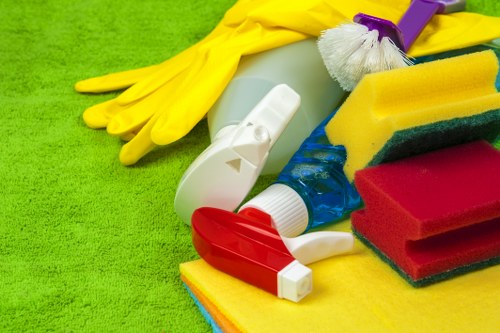
The right office cleaning schedule depends on office size, number of employees, visitor traffic, and the type of work being done. A small office may only need cleaning a few times a week, while a high-traffic corporate environment may require daily service. Workplaces with frequent client visits or sensitive equipment often benefit from more structured cleaning plans to ensure they always look presentable and stay hygienic.
A smart office cleaning plan usually combines daily, weekly, and periodic tasks. Daily tasks may include trash removal, restroom cleaning, surface wiping, and kitchen maintenance. Weekly tasks could involve deeper dusting, glass cleaning, and detailed floor care. Monthly or seasonal tasks often cover carpet extraction, upholstery cleaning, and more intensive sanitation in areas that do not need constant attention but still require regular upkeep.
Businesses should also consider peak activity times. Cleaning teams may need to work before business hours, after hours, or during low-traffic windows to avoid disruption. Flexible office cleaning schedules make it easier to keep the workplace spotless without interfering with meetings, customer service, or collaborative work. The best schedule is one that matches the rhythm of the office while keeping standards consistently high.
Questions to ask before setting a schedule
- How many people use the office each day?
- Which areas get the most foot traffic?
- Are there kitchens, restrooms, or shared desks?
- Do clients or guests visit often?
- Are there seasonal cleaning needs?
What Makes a Reliable Office Cleaning Provider?
A reliable office cleaning provider should offer more than basic tidying. They should understand the needs of modern workplaces and provide consistent, detailed service. Experience matters because office cleaning often involves handling different surfaces, materials, and layouts with care. A trustworthy provider should know how to clean efficiently while respecting privacy, security, and sensitive business operations.
Clear communication is also important. Businesses need a cleaning partner that understands expectations, schedules, and special requests. The right provider will be responsive, organized, and able to adapt when office needs change. For example, an office may need additional attention during flu season, before an important event, or after renovations. A flexible office cleaning service can adjust without creating unnecessary stress.
Quality control should never be ignored. Reliable office cleaning companies often use checklists, supervision, and routine inspections to maintain standards. They may also use eco-friendly supplies, professional equipment, and proven sanitation methods. When choosing office cleaning support, consistency and accountability matter just as much as speed.
Traits of a strong cleaning partner
- Attention to detail
- Dependable scheduling
- Trained and professional staff
- Ability to handle varied office environments
- Use of safe and effective cleaning products
- Clear quality assurance processes
Businesses that invest in dependable office cleaning often experience fewer disruptions and better long-term results. Cleanliness becomes a standard rather than an occasional effort, and that consistency improves the overall work environment in ways that are easy to see and feel.
Eco-Friendly Office Cleaning and Modern Workplace Expectations
Many businesses now prefer eco-friendly office cleaning because it aligns with sustainability goals and workplace wellness. Green cleaning products can reduce exposure to harsh chemicals while still delivering strong cleaning results. This approach is especially useful in offices where employees spend long hours indoors and where air quality matters. Safer products can create a more comfortable environment without sacrificing cleanliness.
Eco-conscious office cleaning can also support a company’s public image. Clients and employees increasingly appreciate businesses that make responsible choices. Using refillable supplies, reducing waste, and selecting environmentally considered products can show that a business takes both health and sustainability seriously. These efforts may seem small, but they contribute to a more positive workplace culture and brand identity.
Modern office cleaning providers may also use efficient equipment designed to reduce water use, improve energy efficiency, and minimize unnecessary waste. When a business combines eco-friendly methods with a thoughtful cleaning schedule, it creates a cleaner and more responsible workplace. This balance is becoming more valuable as companies look for practical ways to operate responsibly without compromising standards.
Examples of greener office cleaning practices
- Using low-toxicity or biodegradable products
- Choosing microfiber tools that reduce waste
- Refilling dispensers instead of replacing them frequently
- Reducing single-use materials where possible
- Targeting cleaning needs to avoid overuse of supplies
Office Cleaning Tips for a Better Everyday Workspace
Even with professional office cleaning, simple habits can help maintain a better workspace between visits. Employees can contribute by keeping desks organized, clearing personal items from shared surfaces, and disposing of food waste promptly. These small actions make it easier for cleaning teams to do their job effectively and help the office stay presentable throughout the day.
Businesses can also establish practical cleanliness standards that everyone understands. For instance, encouraging staff to wipe down desks, return kitchen items to their proper place, and report spills quickly can prevent small messes from becoming bigger issues. When everyone participates, office cleaning becomes more effective and less time-consuming.
Another smart approach is to focus on high-touch areas. Shared printers, coffee machines, conference room tables, and entrance doors should be cleaned frequently because they are used often. Simple reminders and routine expectations can make a major difference. Good office cleaning is not only about service frequency; it is also about daily habits that support order and hygiene.
Simple workplace habits that support cleanliness
- Keep desks free from unnecessary clutter
- Clean up spills as soon as they happen
- Encourage hand hygiene in common areas
- Store food properly in break rooms
- Use designated bins for waste and recycling
Office Cleaning and the Client Experience
Client experience is shaped by more than meetings and service delivery. The appearance and condition of the office also influence how people feel about a business. A clean reception area, fresh-smelling meeting room, and polished hallway can build confidence before a conversation even begins. Office cleaning contributes to a smoother and more memorable client experience by making the environment feel organized and cared for.
This matters for businesses in every industry. Whether a client is arriving for a consultation, training session, or negotiation, a well-maintained office suggests professionalism and reliability. It helps reduce distractions and supports better communication during the visit. People are more likely to relax and engage positively when the space feels clean and inviting.
For businesses that host regular visitors, office cleaning is part of the brand experience. It reflects operational standards and shows that the company pays attention to details. That can strengthen trust and encourage long-term relationships. A clean office often communicates competence before a single word is spoken.
Common Mistakes Businesses Make with Office Cleaning
One common mistake is treating office cleaning as an occasional task instead of an ongoing process. When cleaning is delayed too long, grime builds up, odors linger, and shared areas become less pleasant to use. Another mistake is focusing only on visible areas while ignoring hidden spaces like under desks, behind furniture, and inside storage rooms. These overlooked areas can collect dust and affect overall cleanliness.
Some businesses also underestimate the importance of restrooms and kitchens. These areas require special attention because they are heavily used and can quickly become unhygienic if neglected. Skipping deep cleaning in these spaces may create discomfort and damage the office’s image. Similarly, using inconsistent or poorly defined standards can lead to uneven results, even when office cleaning is performed regularly.
Another issue is failing to match office cleaning to business needs. A busy office with many visitors needs a different approach than a quiet administrative workspace. Tailoring the cleaning plan ensures the right areas receive the right level of care. A more thoughtful office cleaning plan saves time, improves results, and reduces avoidable problems.
Common problems to avoid
- Infrequent cleaning schedules
- Ignoring restrooms and kitchens
- Overlooking high-touch surfaces
- Using vague cleaning expectations
- Failing to adjust for office traffic
Final Thoughts on Office Cleaning
Office cleaning is one of the simplest ways to improve the look, feel, and function of a workplace. It supports employee health, strengthens first impressions, protects office assets, and helps businesses operate more efficiently. Clean offices are not just nicer to look at; they are easier to work in, easier to manage, and more likely to leave a positive impression on everyone who enters.
Whether your office needs routine upkeep, deeper sanitation, or a flexible cleaning plan that fits a busy schedule, investing in office cleaning is a smart decision. It helps businesses create a more professional and comfortable environment while reducing stress for staff and visitors. With the right strategy, office cleaning becomes a reliable foundation for productivity and success.
If your workplace is ready for a fresher, healthier, and more polished environment, contact us today to explore your office cleaning options. Book your service now and make cleanliness a consistent part of your business standards.