Merton Abbey Mills cleaning and event prep Colliers Wood
If you are planning a market stall, pop-up, private function, or a busy event day near Merton Abbey Mills, the cleaning and event prep Colliers Wood work that sits behind the scenes can make or break the whole experience. A venue can look charming on paper and still feel messy, rushed, or awkward in real life if the prep is half-done. Truth be told, guests notice everything: dusty corners, streaked glass, sticky floors, overflowing bins, and that faint "we were not quite ready" feel.
This guide walks through the practical side of preparing Merton Abbey Mills for events, with a local, real-world focus on what needs cleaning, what needs checking, and what to do before the first guest arrives. It also shows how to plan the work so it feels calm rather than chaotic. If you want support with broader property care nearby, you may also find our commercial cleaning, deep cleaning, and window cleaning pages useful as part of the wider preparation picture.
Let's get into the details properly, because the difference between "good enough" and genuinely event-ready is usually in the small things.
Table of Contents
- Why Merton Abbey Mills cleaning and event prep Colliers Wood Matters
- How Merton Abbey Mills cleaning and event prep Colliers Wood Works
- Key Benefits and Practical Advantages
- Who This Is For and When It Makes Sense
- Step-by-Step Guidance
- Expert Tips for Better Results
- Common Mistakes to Avoid
- Tools, Resources and Recommendations
- Law, Compliance, Standards, or Best Practice
- Options, Methods, or Comparison Table
- Case Study or Real-World Example
- Practical Checklist
- Conclusion
- Frequently Asked Questions
Why Merton Abbey Mills cleaning and event prep Colliers Wood Matters
Merton Abbey Mills has a distinctive local character. That is part of its appeal. People come for atmosphere, browsing, food, crafts, community feel, and the sense that they are somewhere a bit different from a standard high-street venue. But character also brings pressure. Older surfaces, mixed-use footfall, changing layouts, and event-day logistics all increase the need for careful cleaning and preparation.
In practical terms, the prep work is not just about making the space look nice. It is about making sure the venue functions properly under pressure. Think about queue lines, food service areas, guest circulation, waste handling, entry points, toilets, and display spaces. If one of those areas is overlooked, the whole event can feel messy. And once an event is underway, you do not get a neat second chance.
There is also a trust element. Guests do not consciously analyse the venue the way an organiser does. They simply feel whether it is tidy, cared for, and ready. That feeling affects dwell time, spending, reviews, and whether people come back. A clean venue is not just a visual win; it is part of the experience itself.
Expert summary: Good event prep is really about removing friction. When surfaces are clean, bins are placed sensibly, floors are safe, and everything smells fresh without being overpowered, the event feels organised before it even starts.
There is another angle too. Good prep can reduce stress for staff and suppliers. Nobody enjoys moving boxes around a wet floor or hunting for cloths ten minutes before opening. A properly planned cleaning schedule cuts that panic right out. Lovely, really.
How Merton Abbey Mills cleaning and event prep Colliers Wood Works
The process is usually best handled in stages. Not everything should be done on the morning of the event, because that is how people end up rushing, missing details, or stepping on each other's toes. A smoother approach is to split work into planning, pre-cleaning, final cleaning, and live event support if needed.
1. Site review and task mapping
Start by walking the space properly. Not a quick glance. A real walk-through. Look at entrances, windows, floor types, counters, toilets, storage areas, back-of-house spaces, and any visible guest touchpoints. This is where you note what needs a light clean, a deep clean, or simple reset work.
At this stage, it helps to separate cosmetic work from hygiene-critical work. A dusty ledge is annoying. A sticky floor near a drinks station is a problem. The priorities are not the same, even if they are both unpleasant.
2. Pre-event cleaning
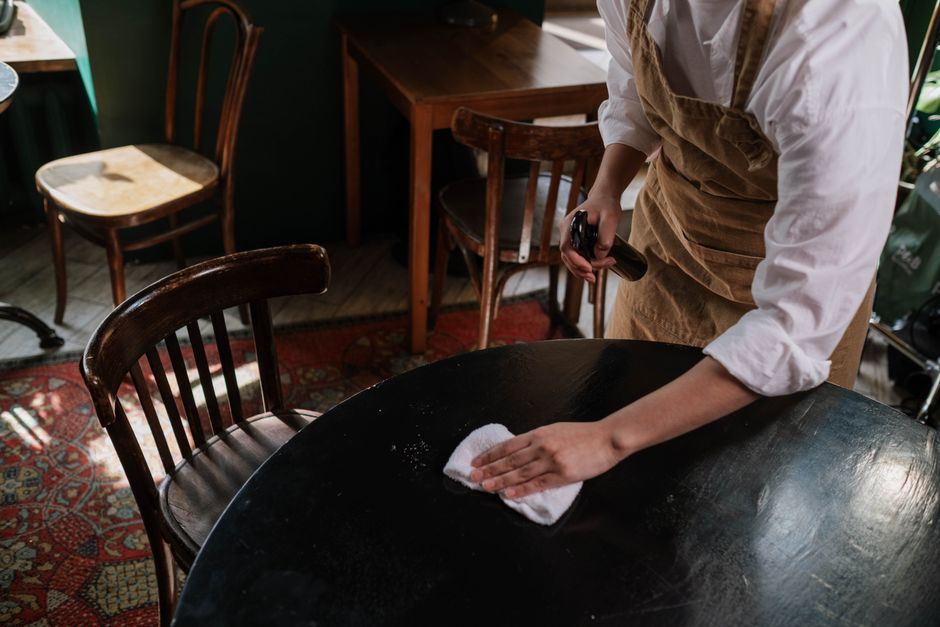
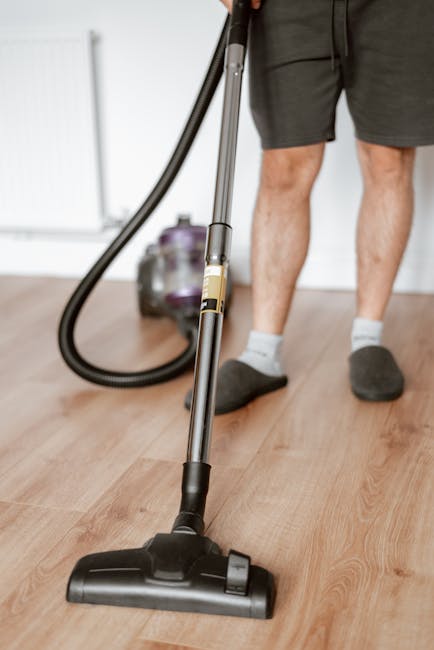
This is the bigger clean done before the final setup begins. It can include dusting, vacuuming, mopping, sanitising touchpoints, wiping down fixtures, cleaning glass, polishing visible surfaces, and making sure toilets and wash areas are properly stocked and fresh. Depending on the event, this stage may also include tasks such as oven cleaning for catering prep, carpet cleaning for soft flooring areas, or upholstery cleaning if seated zones need attention.
3. Event setup clean
Once the venue is cleaned, the space should be set up carefully so it stays clean. That means laying out tables without scuffing floors, checking cable routes, positioning waste points, and keeping a clean path for guests and staff. A clean room can be undone in ten minutes if the setup is rough, so this step matters more than people think.
4. Final pre-opening check
This is the last sweep before people arrive. It should be calm, not frantic. Check mirrors or glass for smears, bins for overflow risk, restrooms for soap and paper, entrances for visible debris, and floors for anything that could cause a slip. If you have a small team, one person should always own this final check. Otherwise everyone assumes someone else did it. And, well, that is how crumbs survive.
5. Post-event reset
After the event, the job is not finished until the site is reset. Waste should be removed, surfaces wiped down, any spills dealt with, and the venue left in a way that allows normal trade or the next booking to begin smoothly. For larger events, a one-off cleaning plan often works better than trying to squeeze everything into a regular routine.
Key Benefits and Practical Advantages
There are some obvious benefits to event prep, but the less obvious ones are often the most valuable.
- Better first impressions: People judge quickly. Clean floors, fresh surfaces, and neat entrances make the venue feel ready.
- Lower operational stress: Teams work better when they are not improvising around dirt, clutter, or missing supplies.
- Safer movement: A clean route through the venue reduces the chance of slips, trips, and awkward bottlenecks.
- Better customer flow: When spaces are clearly prepared, guests naturally move where they should.
- More reliable turnaround: If you need the venue cleaned and reset quickly, a planned approach saves hours later.
- Stronger brand feel: Even small local events feel more professional when the space is cared for properly.
For some organisers, the biggest benefit is simply peace of mind. You arrive, look around, and think, yes, this is under control. That feeling is not a luxury. It is often the difference between a smooth day and a very long one.
There is also a practical commercial angle if the space hosts mixed use. Event prep can protect surfaces, preserve furniture, and reduce wear from high footfall. That matters more in a venue that regularly shifts between public-facing and private uses.
Who This Is For and When It Makes Sense
This kind of preparation is not only for large events. It makes sense for a wide range of people and situations around Colliers Wood and the Merton Abbey Mills area.
- Event organisers: For markets, launches, exhibitions, performances, and community gatherings.
- Venue managers: To keep standards consistent between bookings.
- Hospitality teams: For pop-up food service, tasting events, and short-term activations.
- Retail and brand teams: When a display area or pop-up needs to look spotless and intentional.
- Property and facilities teams: When a shared or multi-use space needs to be handed over in good order.
- Private hosts: For family celebrations, creative workshops, or community meet-ups where presentation matters.
It makes sense any time the venue is expected to do more than its everyday role. A normal morning clean is one thing; preparing for 100 guests, vendor tables, and hot drinks is another entirely. Different job, different standard.
If your event involves regular foot traffic or back-to-back bookings, you may also want to look at regular cleaning between events, plus support such as communal area cleaning where shared access zones need to stay presentable.
Step-by-Step Guidance
Here is a sensible way to handle Merton Abbey Mills cleaning and event prep without turning it into a panic job.
- Confirm the event format. Is it seated, standing, ticketed, public-facing, food-led, or a mixed-use setup? The cleaning plan depends on the answer.
- Map the high-touch areas. Identify handles, counters, bannisters, tap points, washrooms, mirrors, glass, seating, and any guest-facing surfaces.
- Remove clutter first. Cleaning goes faster when boxes, spare signage, and leftover items are out of the way.
- Work from top to bottom. Dust and debris fall. Clean higher surfaces first, then work down to counters and floors.
- Tackle floors last. Vacuum, sweep, or mop after everything else is in place. Otherwise you are doing the same job twice.
- Check toilets and wash stations twice. Supplies, odour control, mirrors, and sinks matter a lot more than people admit.
- Do a final guest-eye review. Stand where a visitor would stand and look around. What do you notice first?
- Set a live maintenance plan. Even a short event needs a bin emptying point, spill response kit, and someone responsible for touch-up cleaning.
A small but useful trick: always leave a short buffer between the final clean and opening time. Even fifteen to twenty minutes helps. It gives you breathing room for one unexpected stain, one last crate, or one vendor who arrives early with three boxes and a shrug.
Expert Tips for Better Results
After enough event prep jobs, you start to see the same patterns. A few small changes make the whole process easier.
Use zones instead of one giant checklist
Break the venue into zones: entrance, main floor, service area, toilets, back-of-house, storage, and exits. That makes it much easier to assign tasks and spot gaps. It also means you can see progress. Helpful, because endless lists can feel a bit grim by mid-morning.
Protect the clean as you set up
One of the most common mistakes is cleaning first and then dragging equipment across the space. If you know heavy items are coming in, use mats, trolley routes, and sensible sequencing. Clean should be the final layer, not the first thing people undo.
Prioritise touchpoints
Fingerprints on glass and sticky handles are what guests notice up close. Polished tables are nice. Clean touchpoints are better. Think of what hands and eyes will meet every minute of the event.
Plan for the weather
In London, a dry morning can turn into a damp afternoon quickly. Wet shoes, muddy hems, and tracked-in grit are part of the reality. Entrance mats, extra floor checks, and a quick mop plan can save you from that slightly soggy, apologetic look some venues get by lunchtime.
Choose the right cleaning method for the surface
Soft furnishings, glass, hard floors, and kitchen or catering zones all need different treatment. A single approach can leave streaks, residue, or damage. If seating areas need attention, services such as sofa cleaning or rug cleaning may be worth considering alongside the main prep.
Common Mistakes to Avoid
Most event cleaning problems are avoidable. The tricky bit is that they usually look small right up until the moment they are not.
- Leaving prep too late: The later you start, the more corners get cut.
- Cleaning without a layout plan: If you do not know where tables, bins, and guests will go, you will likely clean the wrong areas first.
- Ignoring back-of-house spaces: Messy storage and prep areas often become visible during busy moments.
- Using the wrong products: Harsh or unsuitable chemicals can damage finishes or leave unwanted residue.
- Forgetting bins and waste flow: Overflowing waste is one of the quickest ways to spoil an otherwise tidy event.
- Skipping the final inspection: The last 5% often makes the biggest impression.
Another sneaky mistake is assuming that "it looks okay" means "it is ready". Those are not the same thing. A surface can look fine from six feet away and still feel tacky, smell stale, or have crumbs tucked into the edge. Small things, but they matter.
For spaces that see frequent public use, it may also help to keep on top of office cleaning style routines for shared desks, admin areas, or support rooms, especially if the venue has staff working through the event.
Tools, Resources and Recommendations
You do not need a mountain of kit, but the right basics make event prep much smoother.
| Task | Useful tools | Why it helps |
|---|---|---|
| Dusting and surface wipe-downs | Microfibre cloths, extendable duster, neutral surface cleaner | Removes dust without streaks or damage |
| Floor prep | Vacuum, mop, warning signs, spot-clean kit | Keeps floors presentable and reduces slip risk |
| Glass and mirrors | Glass cleaner, lint-free cloths | Helps create a sharp, professional finish |
| Toilet checks | Paper supplies, soap, odour-neutralising products, wipes | Supports guest comfort and hygiene |
| Event reset | Waste bags, bins, gloves, storage boxes, labels | Speeds up turnaround after guests leave |
When choosing cleaning support, it is worth checking trust and practical detail, not just headline price. You want a team that understands access, timing, surface types, and the pressure of an event day. Our pages on about us, health and safety policy, and insurance and safety are useful if you want to see how a service explains its approach to care and risk.
Pricing should also be transparent. Event prep can vary quite a lot depending on room size, turnaround time, and how much detail is required, so it makes sense to review pricing and quotes before making decisions. If you are handling a special booking, move-in cleaning or move-out cleaning can be relevant too, especially when a space needs a full reset before and after use.
Law, Compliance, Standards, or Best Practice
Event cleaning is not just about appearance. In the UK, organisers and venue operators also need to think about safety, hygiene, and sensible risk control. The exact responsibilities depend on the venue, the event type, and who is managing each part of the operation, so it is wise to treat this as a practical best-practice area rather than a one-size-fits-all legal checklist.
At a minimum, good practice usually includes:
- Keeping walkways clear so staff and visitors can move safely.
- Managing spill response quickly to reduce slip hazards.
- Using suitable cleaning products for the surface and task.
- Handling waste responsibly and avoiding overfilled bins.
- Following sensible COSHH-style thinking around chemical use, storage, and handling where relevant.
- Maintaining clear responsibility for cleaning, checks, and sign-off.
For venue owners and organisers, documentation also matters. Simple checklists, shift notes, and post-event handover records can make a big difference, especially if multiple people are involved. It is not glamorous, but it is effective. Properly boring, in the best possible way.
If sustainability is part of your event planning, waste segregation and reusable materials can reduce the mess left behind. You can also review recycling and sustainability for a cleaner approach to waste handling and material use.
And if you are dealing with a mixed-use or shared building setup, it helps to check the underlying service terms too. Small details matter, especially when access times, cleaning windows, or responsibility for follow-up work are involved. That is where terms and conditions can save confusion later.
Options, Methods, or Comparison Table
Different events need different levels of cleaning. The right choice depends on scale, timing, and how polished the venue needs to feel. Here is a simple comparison.
| Method | Best for | Pros | Trade-offs |
|---|---|---|---|
| Light event prep | Small gatherings, simple setups, low footfall | Fast, budget-friendly, easy to schedule | May not be enough for catering or heavy public use |
| Deep clean before event | High-profile events, long openings, premium presentation | Stronger visual finish, better hygiene, fewer surprises | Needs more time and planning |
| One-off reset cleaning | Single-use events or irregular bookings | Flexible and focused on the actual event need | Less cost-efficient for frequent use |
| Regular cleaning with event add-ons | Venues with repeating bookings | Consistent standards, easier handovers, less last-minute pressure | Requires ongoing coordination |
For many local venues, a hybrid approach works best: regular cleaning for the day-to-day standard, then a targeted deep clean or one-off reset before special events. It keeps things sensible. Not too much. Not too little.
Case Study or Real-World Example
Here is a realistic example drawn from the kind of situation people often face near Merton Abbey Mills. Imagine a weekend craft and food event with a mix of stallholders, family visitors, and a few indoor seating areas. The venue looks fine in the morning, but by midday the pressure points start to show: footprints at the entrance, drips around the serving area, paper waste building up, and a few smudges on glass where people have leaned in to look at displays.
The team that prepared well had already done three things. First, they mapped the event into zones, so each section had a clear cleaning owner. Second, they set up waste points in sensible places instead of leaving bins hidden in the back. Third, they left a small two-person maintenance rota for the day itself, which meant spills were handled quickly rather than left to spread. Nothing dramatic. Just steady, sensible work.
The difference was obvious. Guests moved more easily, stallholders felt better supported, and the venue stayed visually calm even as the event got busier. No one ever said, "What a brilliant mop strategy." Fair enough. But they did say the place felt organised, which is really the point.
In a similar setup, if seating is part of the guest experience, a pre-event sofa cleaning or mattress cleaning style refresh may be needed for hospitality or overnight stays linked to the event. That kind of detail can make a room feel genuinely ready, not just superficially tidy.
Practical Checklist
Use this checklist before opening the venue. It is simple, but it catches the things that often get missed.
- Entrance cleared, swept, and visually tidy
- Glass, mirrors, and visible surfaces wiped
- Floors vacuumed, swept, or mopped as required
- Toilets checked, stocked, and fresh
- Bins placed correctly and not already full
- Waste bags available for live use
- Tables, chairs, and display areas cleaned before setup
- Cables, mats, and walkways arranged safely
- Spill kit or cleaning kit ready for the event
- Storage and back-of-house areas not cluttered
- Final guest-eye walkthrough completed
- Post-event reset plan confirmed
Quick takeaway: if you can only focus on three things, make them floors, touchpoints, and waste. Those three will shape most people's impression before they notice anything else.
Conclusion
Merton Abbey Mills cleaning and event prep Colliers Wood is really about creating a venue that feels ready, safe, and easy to use. When the space is prepared properly, everything else runs with less friction. Guests relax faster. Staff work with more confidence. The whole day feels more polished, even if nobody talks about the cleaning directly.
The best preparation is rarely flashy. It is careful, structured, and a little unglamorous. But that is exactly why it works. Whether you are planning a single event or managing repeated bookings, a smart cleaning plan is one of the easiest ways to protect the experience and reduce avoidable stress.
If you are comparing options or thinking through the scope of work, it can help to review the service pages most closely related to your event, from deep cleaning to commercial cleaning and one-off cleaning. Choosing the right level of prep usually saves more trouble than it costs.
Get a free quote today and see how much you can save.
And if you are still shaping the plan, do not rush it. A well-prepared venue has a quiet kind of confidence about it, and guests feel that straight away.
Frequently Asked Questions
What does Merton Abbey Mills cleaning and event prep Colliers Wood usually include?
It usually includes pre-event cleaning, floor care, surface wipe-downs, washroom checks, glass cleaning, waste setup, and a final readiness inspection. Depending on the event, it may also include soft furnishings, kitchen or catering zones, and post-event reset work.
How far in advance should event cleaning be planned?
Ideally, you should plan it as soon as the event layout is confirmed. For small events, a few days may be enough. For larger or more detailed setups, earlier planning gives you room to handle access, staffing, and any deeper cleaning needs.
Is a deep clean always necessary before an event?
No. A deep clean is useful when the venue has built-up dirt, has not been used recently, or needs a higher presentation standard. For smaller or frequent events, a targeted one-off clean may be enough.
What areas are most important on event day?
Entrances, guest-facing floors, toilets, touchpoints, service counters, and waste areas are the big ones. If those are clean and well managed, the event usually feels much more organised.
Can event prep be combined with regular cleaning?
Yes, and that is often the best approach for venues with repeated bookings. Regular cleaning keeps the baseline standard up, while event prep handles the extra detail and timing needed before guests arrive.
What is the biggest cleaning mistake people make before events?
Leaving everything until the final hour. That usually leads to missed details, rushed decisions, and avoidable stress. A calm plan beats a heroic last-minute scramble every time.
How do you keep the venue clean during the event itself?
Use a simple live-maintenance plan. That means accessible bins, spill response supplies, and someone assigned to touch-up duties. For larger events, this is not optional; it is part of keeping standards steady.
What if the event includes food or drinks?
Then hygiene and waste management become even more important. You will need extra attention to surfaces, floors, bins, catering zones, and any areas where spills are likely. A quick response system helps a lot.
How do I know whether to book one-off cleaning or regular cleaning?
If the venue hosts occasional or special events, one-off cleaning may be the better fit. If the space is used repeatedly or needs a consistent standard between bookings, regular cleaning is usually more practical.
Is there a benefit to cleaning the venue after the event too?
Absolutely. Post-event cleaning makes the next use easier, protects the venue, and saves staff from facing a messy reset later. It is one of those jobs that feels small until you skip it.
Do I need special cleaning for carpets, sofas, or rugs?
If those items are visible to guests or likely to get heavy use, yes, they may need more than a quick vacuum. Depending on the situation, carpet, rug, sofa, or upholstery care can help the venue look properly finished.
What should I ask before booking cleaning support?
Ask what is included, how timing is handled, what happens if access changes, and whether the provider understands event-day pressure. It also helps to check pricing, insurance, and service terms before you commit.