Cleaning flats Hartfield Road tips for tenants Colliers Wood
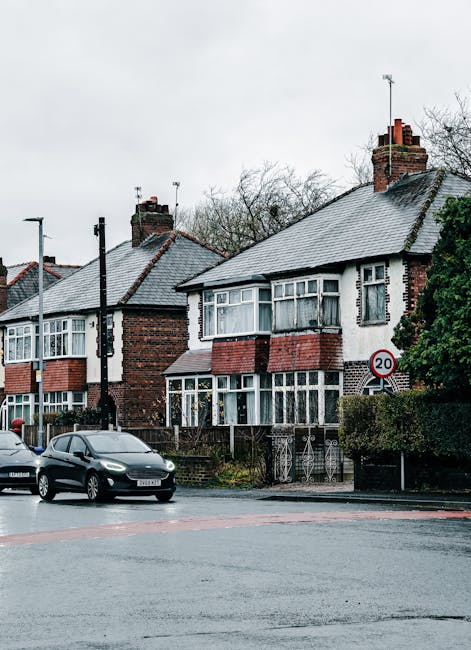
If you are getting a flat ready on Hartfield Road, the pressure can sneak up on you fast. One minute you are packing boxes, the next you are staring at skirting boards, oven grease, and a bathroom that somehow looks worse at 8 a.m. than it did the night before. These Cleaning flats Hartfield Road tips for tenants Colliers Wood are written for that exact moment: when you need a clear plan, decent standards, and no drama at the end of your tenancy.
This guide focuses on what actually matters for tenants in Colliers Wood: how to clean efficiently, where inspections usually catch people out, when to book professional help, and how to avoid the silly mistakes that cost time or deposits. It is practical, local, and meant to be used, not just read once and forgotten.
Why Cleaning flats Hartfield Road tips for tenants Colliers Wood Matters
For tenants, cleaning is rarely just about making a place look nice. It is usually about handover standards, keeping a landlord or letting agent happy, and making sure the flat feels properly finished before you leave. On a busy street like Hartfield Road, where flats can see a lot of day-to-day wear, little details build up quickly: dusty extractor fans, limescale around taps, scuffed hallway paint, and crumbs under appliances that no one notices until moving day.
The stakes are simple. If the property is left in poor condition, the final inspection can become awkward. If it is left clean and presentable, the exit is calmer. You may still have normal wear and tear to discuss, but at least the condition of the flat is not creating avoidable friction. That is the real point here. Not perfection. Just a solid, defensible clean.
There is also a quality-of-life angle. A good clean reduces the last-minute rush, helps you spot damage you might need to report, and makes moving far less miserable. Let's face it, nobody enjoys carrying the last box out past a half-clean oven. Not exactly a victory lap.
For some tenants, using a professional team for end of tenancy cleaning or a targeted deep clean is the sensible route. For others, a structured DIY clean is enough. The right answer depends on time, condition, and what your tenancy agreement expects.
How Cleaning flats Hartfield Road tips for tenants Colliers Wood Works
In practice, tenant cleaning works best as a sequence, not a scramble. You start with the right rooms, the right order, and the right priorities. Clean top to bottom, dry areas before wet ones, and always finish with the places people inspect first: kitchen surfaces, bathroom fixtures, floors, and visible edges.
Most flats on a typical tenancy exit need a mix of standard domestic cleaning and heavier tasks. That might include degreasing the hob, polishing appliance fronts, wiping cupboard doors, cleaning inside drawers, removing bathroom buildup, and tackling carpets or upholstery if they have absorbed everyday use. If the flat has a lot of soft furnishings, you may also need support from carpet cleaning, sofa cleaning, or upholstery cleaning.
A lot of tenants underestimate the hidden work. The obvious surfaces are only half the job. Under the bed, behind the radiator, around the washing machine seal, inside the oven door glass, and along the tops of cupboards - that is where the inspection notes tend to appear. If you have ever cleaned a flat on a grey Sunday afternoon with the windows open and a kettle boiling in the background, you will know the feeling. The place starts to smell fresher before it even looks spotless. That is usually a good sign.
Professional cleaning also follows a logic. A proper team typically works room by room, bringing specialist products for ovens, bathrooms, glass, and floors. Depending on the flat's condition, you might also see add-on support like window cleaning, oven cleaning, or one-off cleaning for a more flexible reset. If you are moving in rather than out, move-in cleaning can be useful too, especially in flats that have sat empty for a while.
Key Benefits and Practical Advantages
A good flat clean is not just about appearances. It gives you leverage, peace of mind, and less rushing around at the exact time you are already tired. In a rental setting, that matters more than people sometimes admit.
- Better inspection readiness: clean finishes make it easier for a landlord or agent to focus on genuine wear and tear rather than avoidable dirt.
- Less stress on moving day: when the cleaning is structured, the final hours feel manageable instead of chaotic.
- Improved hygiene: kitchens and bathrooms benefit immediately from a proper deep clean, especially after a long tenancy.
- More efficient packing and handover: cleaning as you pack helps you spot forgotten items, damage, or missing accessories.
- Potentially lower dispute risk: a cleaner flat gives you a clearer position if there is any disagreement at checkout.
There is also a practical benefit many tenants overlook: a clean flat is easier to photograph. If you need to record the final condition for your own files, good lighting and a tidy space go a long way. A greasy hob or dusty window ledge in a photo can make things look worse than they are. Clean first, then take your pictures. Simple, but worth saying.
Some tenants also find that regular upkeep, supported by regular cleaning or even domestic cleaning during the tenancy, makes the final move far less painful. Truth be told, a little maintenance beats a heroic clean at the end nearly every time.
Who This Is For and When It Makes Sense
This guide is aimed at tenants in Colliers Wood who need their flat on Hartfield Road cleaned properly before moving out, handing back keys, or preparing for a new tenancy. It is especially relevant if you are short on time, renting a furnished flat, or worried about the standard expected at inspection.
It makes sense for:
- tenants moving out at the end of a lease
- roommates splitting cleaning tasks before handover
- people leaving a flat after a long tenancy with normal wear and buildup
- new tenants moving into a place that needs a proper reset
- landlords or managing agents wanting a smoother turnaround between tenancies
It also makes sense if your flat has a few stubborn problem areas. For example, a small kitchen with heavy cooking residue, a bathroom with hard-water marks, or a bedroom carpet that has seen a lot of everyday traffic. In those cases, a simple surface clean may not be enough. You might be better off combining your own work with targeted services such as mattress cleaning, rug cleaning, or oven cleaning.
If the property has had recent refurbishment, dust and residue can also settle more deeply than expected. That is where after builders cleaning can be relevant, even in a smaller flat. A few plaster specks and a layer of fine dust can travel farther than you think. Sneaky stuff, really.
Step-by-Step Guidance
If you want a clean result without wasting energy, follow a steady order. Do not bounce randomly from room to room. That is how people end up cleaning the same tap three times and forgetting the skirting board completely.
- Declutter first. Remove belongings, packaging, bin bags, laundry, and anything that should not be there. Cleaning around clutter slows everything down.
- Open windows and prepare airflow. Fresh air helps dry rooms faster and reduces that stale-cleaner smell.
- Start high, then work down. Dust shelves, light fittings, tops of doors, and cupboard edges before you clean surfaces below them.
- Handle the kitchen early. Clean the oven, hob, splashback, sink, fridge shelves, cupboard fronts, handles, and worktops. Kitchen grease moves around if you leave it too late.
- Move into bathrooms. Descale taps, clean tiles, scrub the toilet, polish mirrors, and wipe around seals and corners.
- Do the living areas and bedrooms. Dust radiators, wipe sockets and switches carefully, clean wardrobe interiors, and vacuum under furniture.
- Vacuum and mop floors last. Once dust settles from the rest of the flat, the floors get the final pass.
- Check details with daylight. Look at windows, glass, edges, and corners in natural light if you can. It shows streaks and missed patches more clearly.
- Finish with a walk-through. Use a room-by-room final check and compare the result against the tenancy expectations.
For some properties, a combined approach works best. You might handle the day-to-day tidying and book help for the harder jobs, like window cleaning, carpet cleaning, or sofa cleaning. That is often the most realistic route, especially when moving deadlines are tight and nobody has the energy to deep-clean upholstery at 9 p.m.
Expert Tips for Better Results
Here are the small things that make a big difference. They are not glamorous, but they save time and lift the quality of the finish.
- Use the right cleaner for the job. Bathroom scale, oven grease, glass streaks, and floor grime all behave differently.
- Let products dwell. Give degreasers or bathroom products a few minutes to work instead of scrubbing immediately.
- Clean handles and touch points. Light switches, door handles, and cupboard pulls can make a place feel cleaner than a spotless sink ever will.
- Take before-and-after photos. This helps if you need to show the flat's condition after cleaning.
- Do not overload the room with chemicals. More product does not equal better results. Sometimes it just means more wiping.
- Pay attention to smell. A flat can look clean but still feel stale. Empty bins, rinse drains, and air out soft furnishings.
A slightly old-fashioned trick still works well: clean one room, shut the door, and move on. It gives you a sense of progress and keeps dust from drifting back into places you already finished. It also stops that weird halfway-house feeling where the whole flat looks tidier, but nowhere is actually done. You know the one.
If you are trying to decide whether to do it yourself or call in help, look at the risk areas first. Ovens, carpets, and bathroom limescale are usually the places where a professional finish can be worth it. You can explore options like one-off cleaning or a more intensive deep cleaning service if the flat needs a fuller reset.
Common Mistakes to Avoid
Most end-of-tenancy cleaning problems are not dramatic. They are just small misses repeated across the flat. That is why they matter.
- Leaving the kitchen until the end. Grease and dried food take longer than expected.
- Forgetting inside appliances. Fridges, freezers, microwaves, and ovens are common inspection points.
- Ignoring edges and corners. Dust gathers there fast, especially in compact flats.
- Using the wrong sponge or cloth. Scratches on glass or shiny surfaces can create a new problem.
- Cleaning floors before dusting surfaces. It just means you vacuum twice for no reason.
- Assuming visible clean is enough. Hidden marks, seals, and vents often matter just as much.
Another common slip is overestimating what can be achieved in one evening. To be fair, everyone does this at least once. You think, "It's a small flat, how long can it take?" Then you discover the oven shelf, the bath seal, and the dust behind the radiator all at the same time. Suddenly it is dark outside and you are still scrubbing.
If the property has a lot of fabric surfaces or furniture, do not forget soft furnishings. A quick wipe is not enough for embedded dust or odour. That is where mattress cleaning, rug cleaning, and upholstery cleaning can help lift the overall standard.
Tools, Resources and Recommendations
You do not need a van full of equipment to clean a flat properly. But having the right basics makes everything faster and less frustrating.
| Item | Best use | Why it helps |
|---|---|---|
| Microfibre cloths | Dusting, polishing, glass | They trap dust well and reduce streaking |
| Non-scratch sponge | Kitchen and bathroom surfaces | Safer for most taps, sinks, and fittings |
| Degreaser | Hob, extractor, cupboard fronts | Helps shift cooking residue faster |
| Bathroom cleaner | Tiles, taps, shower areas | Useful for limescale and soap marks |
| Vacuum with attachments | Floors, corners, soft furnishings | Reach matters in compact flats |
| Mop and bucket | Hard floors | Gives a cleaner finish after vacuuming |
For tenants who want to combine self-cleaning with professional support, a sensible starting point is to decide what you can reasonably handle and what needs specialist attention. A flat that only needs a light refresh may work well with regular cleaning or house cleaning support. A heavily used flat, on the other hand, may call for end of tenancy cleaning plus targeted extras.
If you want to understand service standards, payment expectations, and the practical side of booking, the pages on pricing and quotes and payment and security are useful starting points. For company background and reassurance, about us helps explain the approach behind the service.
Law, Compliance, Standards, or Best Practice
For tenants in the UK, the cleaning question is usually shaped more by tenancy agreements and normal handback expectations than by one single rule. The main thing is to return the property in the condition required by your agreement, allowing for fair wear and tear. That distinction matters. A lived-in flat will have signs of use. The issue is whether dirt, residue, or avoidable damage is left behind.
Best practice is simple: keep evidence of the property condition, follow your tenancy terms, and clean to a standard that is reasonable for the age and use of the flat. If the agreement mentions professional cleaning, read that wording carefully and do not assume it means carpet steam cleaning or specialist work unless it says so clearly. If there is uncertainty, ask for clarification before the last week of the tenancy. That conversation is much easier before the keys are due back.
Safety is also part of best practice. When cleaning appliances or high areas, use sensible precautions, avoid mixing cleaning products, and take care on stools or step ladders. If a job feels awkward or risky, it is perfectly sensible to step back and use help instead. A safer clean is a smarter clean. No prize for bruised shins.
For service-related confidence, it can help to review a provider's policies on health and safety, insurance and safety, recycling and sustainability, and terms and conditions. Those pages are not just formalities. They give you a clearer picture of how the work is handled and what to expect if something changes.
Options, Methods, or Comparison Table
There is no single best method for every tenant. The right choice depends on time, budget, property condition, and how strict the handover is likely to be.
| Option | Best for | Pros | Trade-offs |
|---|---|---|---|
| DIY room-by-room clean | Light to moderate cleaning needs | Flexible, low cost, good control | Time-consuming; easy to miss detail |
| Targeted specialist cleaning | Ovens, carpets, upholstery, windows | Strong results in problem areas | Requires deciding what to outsource |
| Full end-of-tenancy service | Busy moves, tighter inspection expectations | More comprehensive, less stress | Higher cost than DIY |
| Move-in clean after handover | Incoming tenants or empty flats | Fresh start, better hygiene, easier unpacking | May still need personal touch-up work |
If the flat is generally tidy but one or two areas are especially stubborn, mixed options tend to make the most sense. That might mean you do the general clean yourself and book a specialist for the oven or carpets. If the place has been heavily used, a full service is often less stressful than trying to patch together several evenings of rushed cleaning.
For tenants comparing service types, a useful rule is this: if a task needs specialist tools, strong stain removal, or more than one attempt to look properly finished, it is a good candidate for professional help.
Case Study or Real-World Example
Imagine a one-bedroom flat on Hartfield Road with a small kitchen, a bathroom that has picked up limescale, and a bedroom carpet that has seen two winters of everyday use. The tenant has packed most belongings but only has one full day to prepare for checkout. Sound familiar? It happens more often than people admit.
In that scenario, the best approach is usually not a perfect all-night marathon. It is a sensible split:
- the tenant clears clutter and personal items early in the day
- the kitchen gets a strong first pass, especially the oven, hob, sink, and cupboard fronts
- the bathroom is tackled while descaling products are left to work
- the carpet and sofa areas get specialist attention if they still look tired after vacuuming
- the final hour is used for windows, mirrors, floors, and touch-ups
The result is not about making the flat look like nobody ever lived there. That would be unrealistic. It is about presenting a clean, well-kept property that reads as cared for. A tidy exit changes the tone of the handover. It feels calmer, and that matters more than most people think.
When the job is larger than expected, tenants sometimes choose a fuller reset through move out cleaning or a broader one-off cleaning visit. That can be a relief when time is short and the flat has a few stubborn marks that will not shift with ordinary products.
Practical Checklist
Use this list on the final day, or better yet the day before, when you still have enough energy to care about the small bits.
- Remove all personal belongings and rubbish
- Empty fridge, freezer, cupboards, and drawers
- Clean oven, hob, extractor, and splashback
- Wipe inside and outside of kitchen appliances
- Scrub sink, taps, toilet, bath, shower, and tiles
- Descale bathroom fittings where needed
- Dust shelves, skirting boards, radiators, and ledges
- Clean mirrors, glass, and windows where reachable
- Vacuum carpets, rugs, and soft furnishings
- Mop hard floors after dusting and vacuuming
- Check light switches, door handles, and plug sockets
- Look for marks behind furniture and around edges
- Air the flat and remove cleaning smells
- Take final photos for your own records
- Confirm keys, bins, and access details before leaving
If you are cleaning with a partner or flatmate, split the work by room rather than by task type. It sounds minor, but it reduces duplication and arguments. And yes, cleaning with music helps. Nobody is pretending otherwise.
Get a free quote today and see how much you can save.
Conclusion
Cleaning a flat on Hartfield Road does not need to become a last-minute ordeal. With the right order, realistic expectations, and a clear sense of what matters most in a tenancy handover, you can do a lot in a short space of time. The trick is to stay focused on the visible standards, the hidden problem areas, and the parts of the property that tend to get checked closely.
Whether you tackle everything yourself or bring in support for the heavier work, the goal is the same: a clean, calm exit and a flat that feels properly handed back. That is a good feeling, honestly. Quietly satisfying, in a very practical way.
If you need a structured service, a bit of reassurance, or help with the jobs that never seem to finish on time, the right support can make the whole move easier. One less thing to worry about. That's worth a lot.
Frequently Asked Questions
What should tenants prioritise when cleaning a flat on Hartfield Road?
Start with the kitchen and bathroom, then handle floors, dust, windows, and hidden edges. These are the areas most likely to affect a final inspection.
Do I need professional end of tenancy cleaning for a Colliers Wood flat?
Not always. If the flat is in decent condition and you have enough time, a good DIY clean may be enough. If the property is heavily used, professional help can reduce stress and improve the finish.
How clean does a rental flat need to be before I move out?
It should be returned in a reasonably clean state, allowing for fair wear and tear. The exact standard depends on your tenancy agreement and the flat's condition at move-in.
What are the most commonly missed areas during flat cleaning?
Inside appliances, skirting boards, door handles, extractor fans, seals, and the tops of cupboards are often missed. These small details matter more than people think.
Should I clean the oven myself or book a specialist?
If the oven has baked-on grease, heavy residue, or glass that will not come clean easily, specialist oven cleaning is often the better choice. It saves time and usually gives a more reliable result.
Is it worth cleaning carpets before a tenancy ends?
Yes, especially if the carpets are visibly marked, dusty, or have picked up odours. Depending on their condition, carpet cleaning can make a noticeable difference to the overall presentation.
How early should I start cleaning before moving out?
Ideally, begin a few days before handover. That gives you time to clean around packed boxes, deal with stubborn areas, and do a proper final check without rushing.
What if the flat has already been empty for a while?
Empty flats often collect dust, stale air, and marks that were less obvious when the property was furnished. A thorough one-off clean or move-out clean is often a sensible option.
Can I combine DIY cleaning with professional services?
Absolutely, and that is often the smartest approach. Many tenants handle the general clean themselves and book support for ovens, carpets, windows, or upholstery.
How do I avoid disputes after moving out?
Keep the flat clean, photograph the final condition, and retain copies of any tenancy notes or cleaning arrangements. Clear communication and decent records can prevent a lot of unnecessary back-and-forth.
What if my landlord expects a deeper clean than I can manage?
Check the tenancy wording carefully and ask for clarification if needed. If the expectation is higher than your available time or tools, a professional deep clean can be the practical answer.
Are there any safety concerns when cleaning a flat?
Yes. Avoid mixing products, use care on ladders or stools, and do not push yourself into awkward or risky positions. A safe clean is always better than a rushed one.